In May 2026 Ted and I and our friend Dave were looking to take a short break in Europe, ideally not involving a long flight. We came up with the Netherlands as a potential destination and I was keen on being based somewhere that I hadn’t previously visited. Our friend Ken had recently visited ‘s-Hertogenbosch, usually shortened to Den Bosch, and had thoroughly enjoyed a few days there. We agreed that it looked like a good idea, Ken gave us recommendations of things to do and places to eat and drink, we booked flights and hotel, and off we went.
Getting there
We had a Sunday morning flight so stayed the previous night in a hotel at Newcastle Airport, had breakfast while we waited for boarding and took off. We landed just over an hour later and taxied several miles to the terminal at Amsterdam Schiphol Airport. The queues at passport control weren’t too bad and, once through, we made our way to the airport railway station. I topped up my OV-chipkaart , the Netherlands’ public transport smartcard, which was the standard way of paying for public transport throughout the country until recently (see Travel Practicalities below). We found a train – the direct trains to Den Bosch were cancelled due to engineering work (it happens there too) so we had to travel into Amsterdam Centraal and change there. An hour after leaving Amsterdam and traversing typical Dutch countryside, passing canals, crossing rivers busy with barges and calling at Utrecht we arrived at Den Bosch.
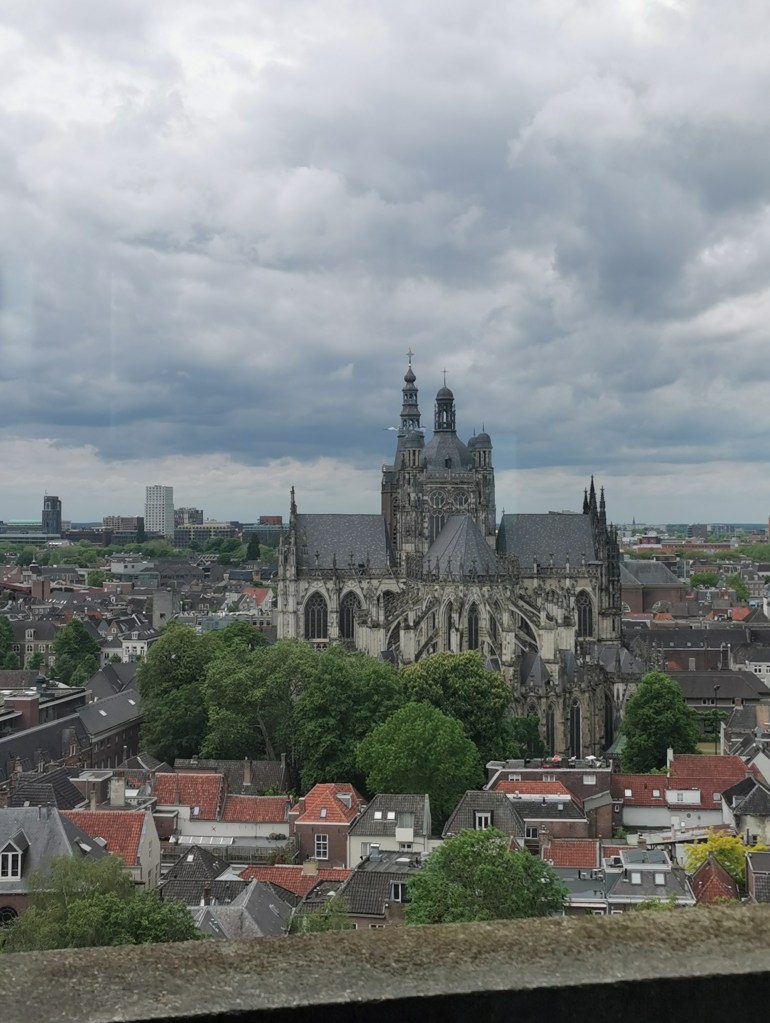
St. Johns Cathedral
The official name of the city ‘s-Hertogenbosch means ‘forest of the duke’ (of Brabant). It lies south of the Rivers Maas and Waal, main branches of the Rhine, is the capital of the province of North Brabant and today has a population of 160,000. It has walls and ramparts dating from the 14th century. Until 1878 it was forbidden to build outside the ramparts, leading to serious overcrowding but also, together with relatively little damage during World War Two, helping to preserve the medieval street pattern and buildings.
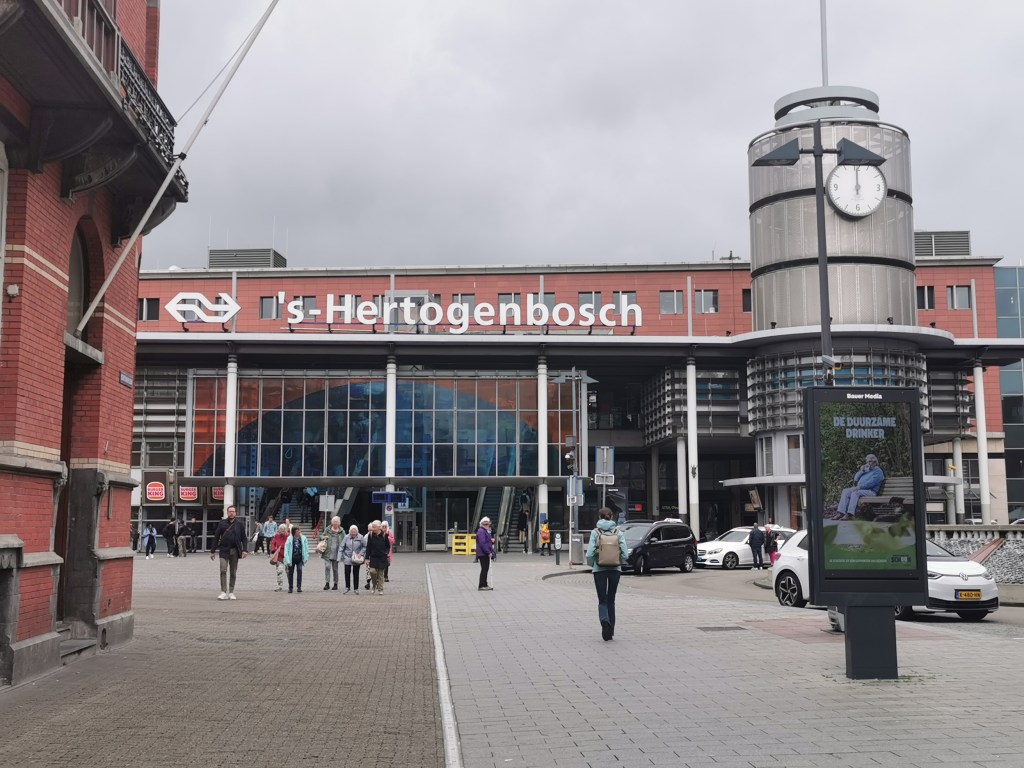
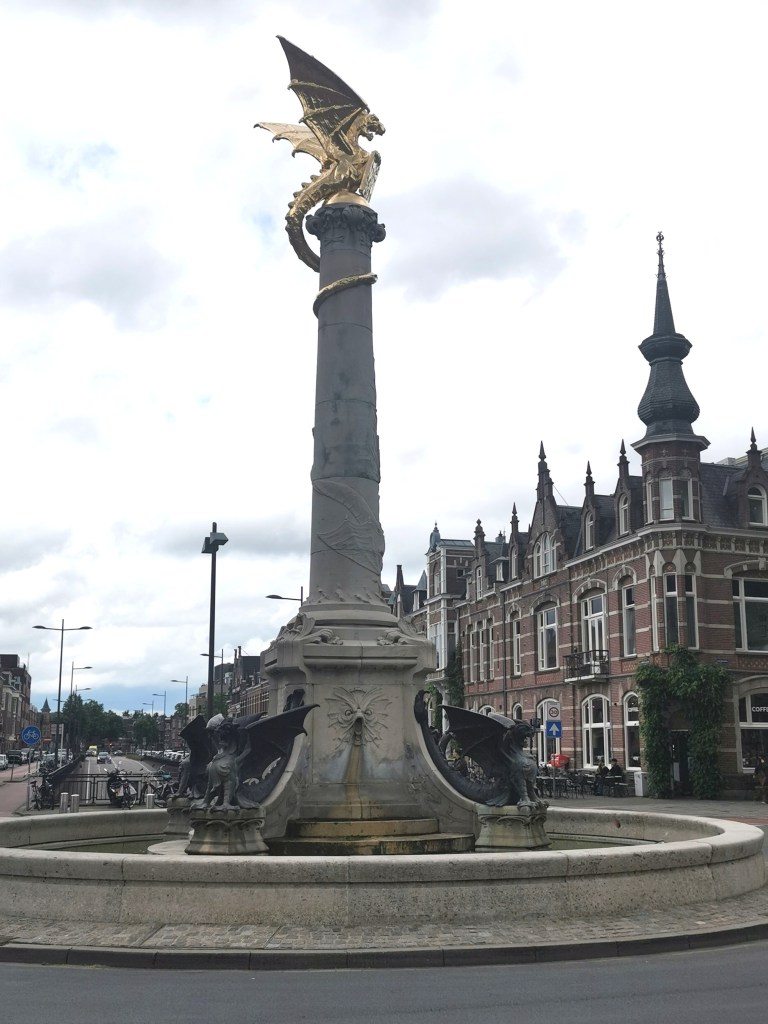
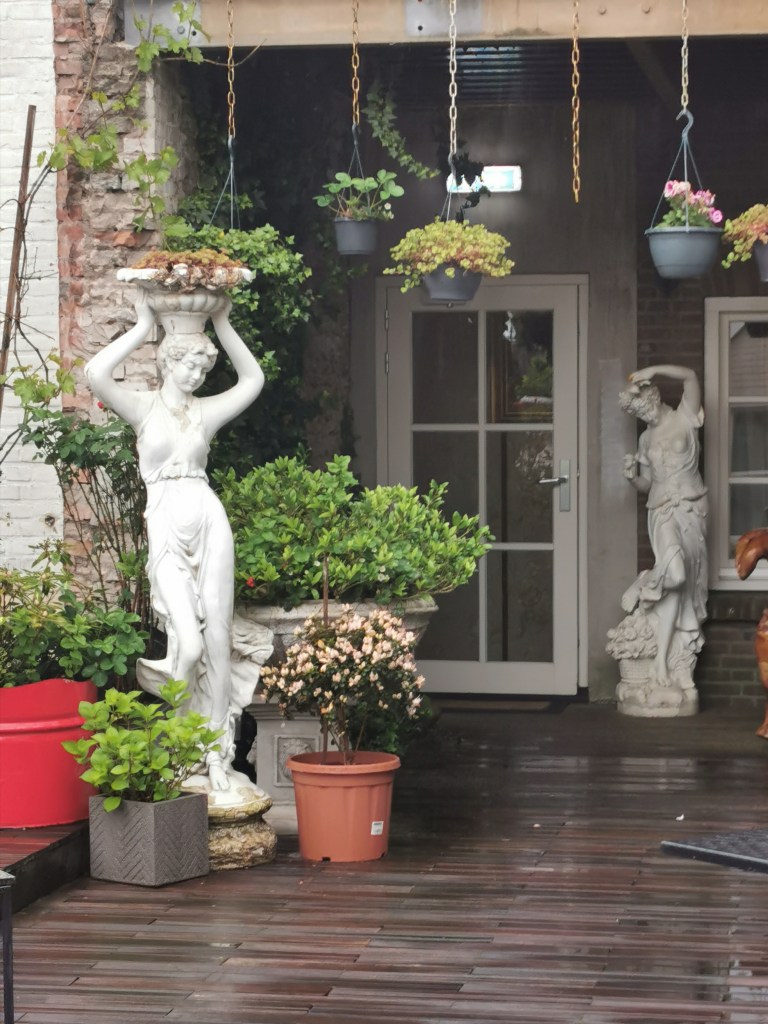
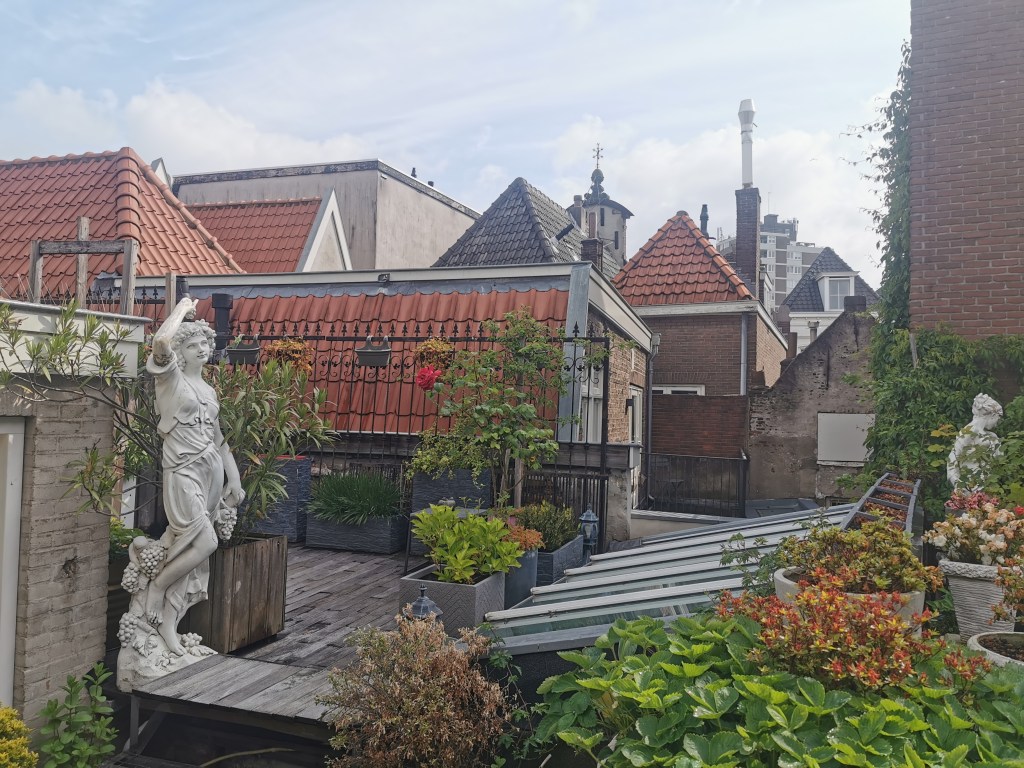
We walked the short distance from the station (pictured), past the Dragon Fountain (pictured), across the River Dommel into the central area and located our hotel – The Stamp. It was still too early to check-in so we went for a couple of drinks and some food nearby, then returned, entered the hotel and our jaws dropped. The hotel was formerly a lodging house, then a nightclub and re-opened as a hotel in 2019. It has a very quirky architectural layout and has been bizarrely furnished with ornate chandeliers, statues and elaborate vintage furniture(pictured).
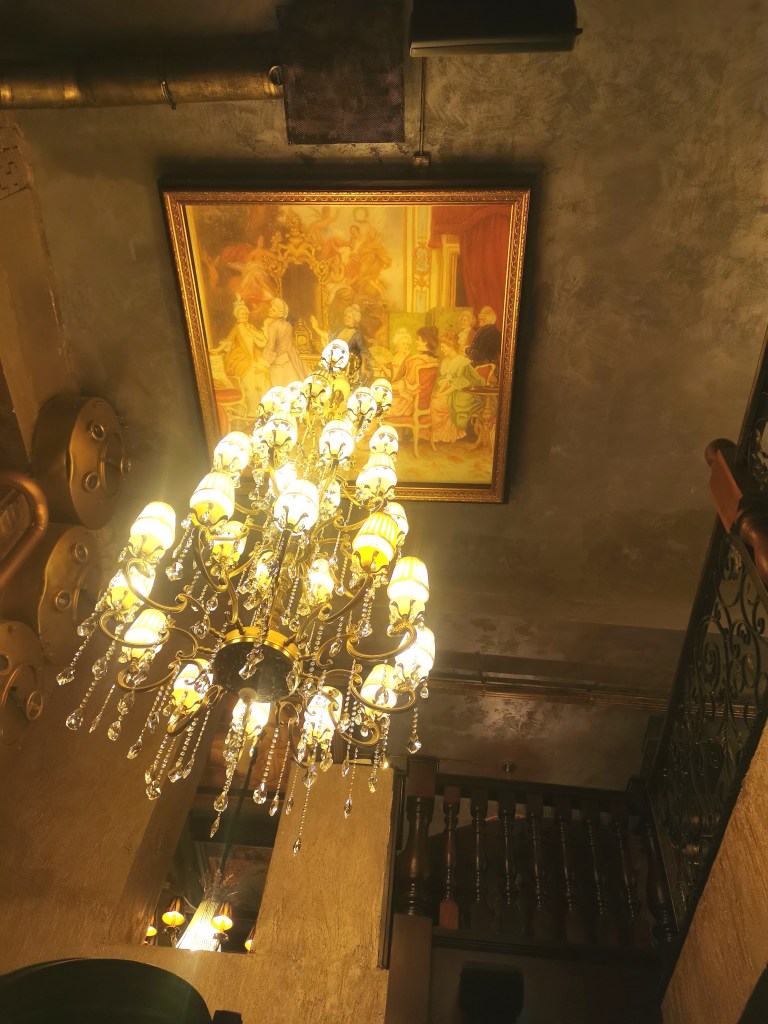
Around the Town
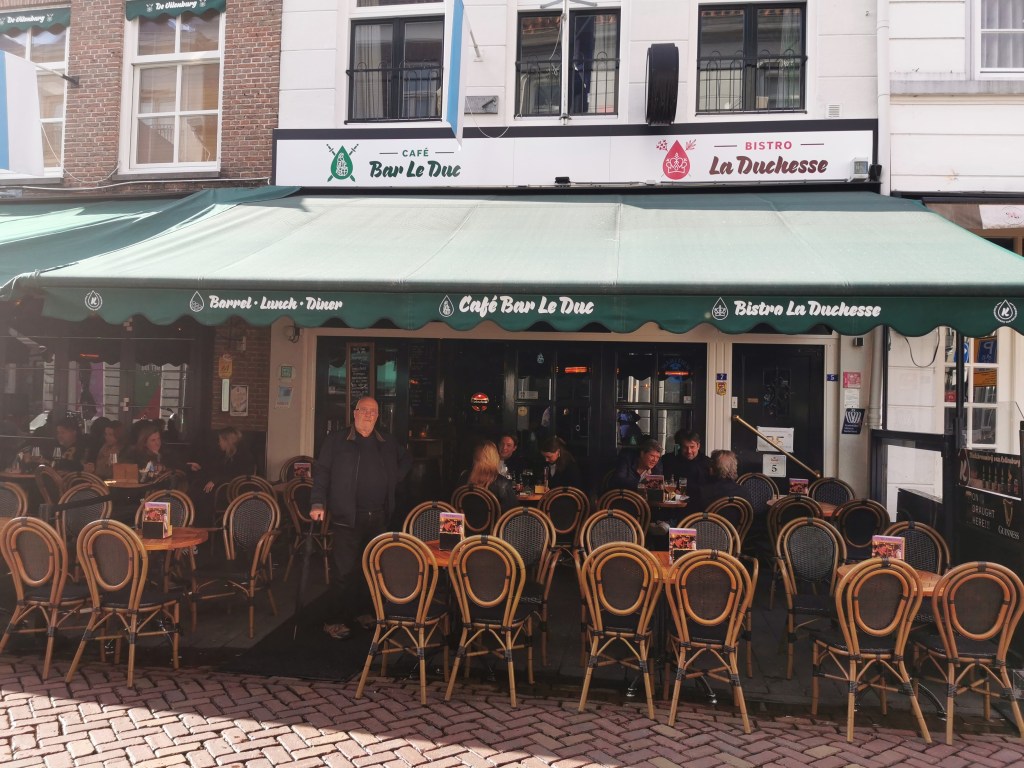
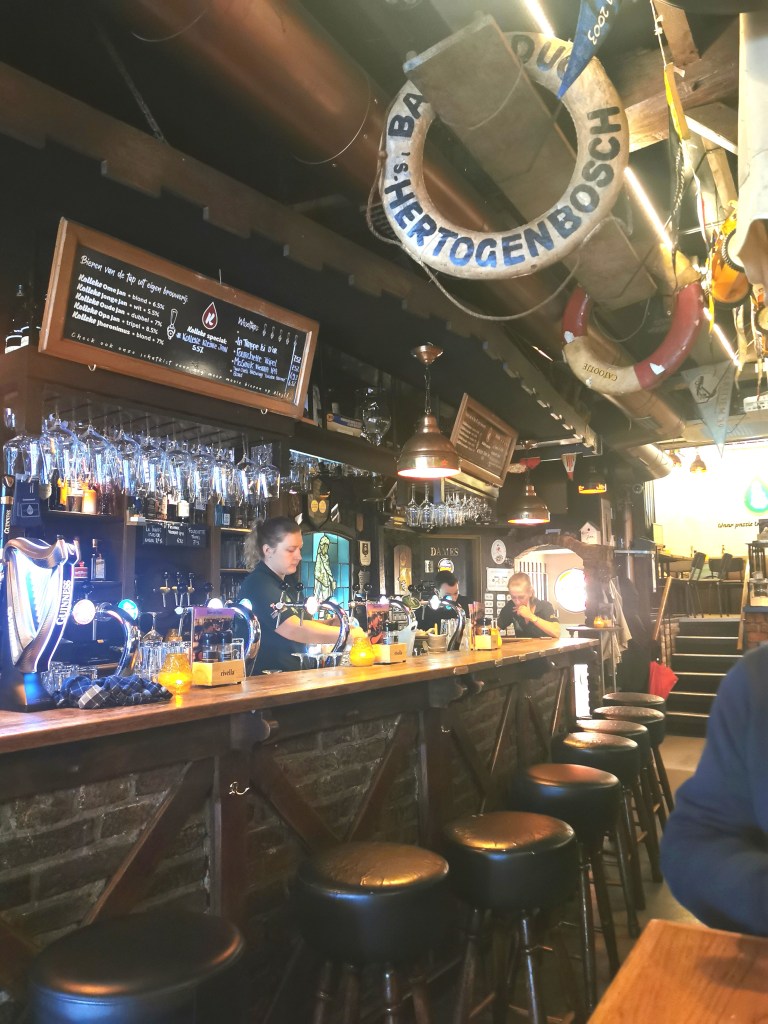
Fortunately, the hotel is located in one of the main areas for drinking and eating, including several places recommended by Ken. Our afternoon drinks were in one of these – Bar le Duc. It had a friendly atmosphere, a selection of excellent draught beers mainly from the adjacent Kolleke brewery, a huge range of bottled beers and good Dutch and international food – both snacks and full meals. The beers are named after the patron saint of the Den Bosch cathedral, St. John the Evangelist and included Oude (old) Jan, Kleine (little) Jan and Jonge (young) Jan. Le Duc became our home bar.
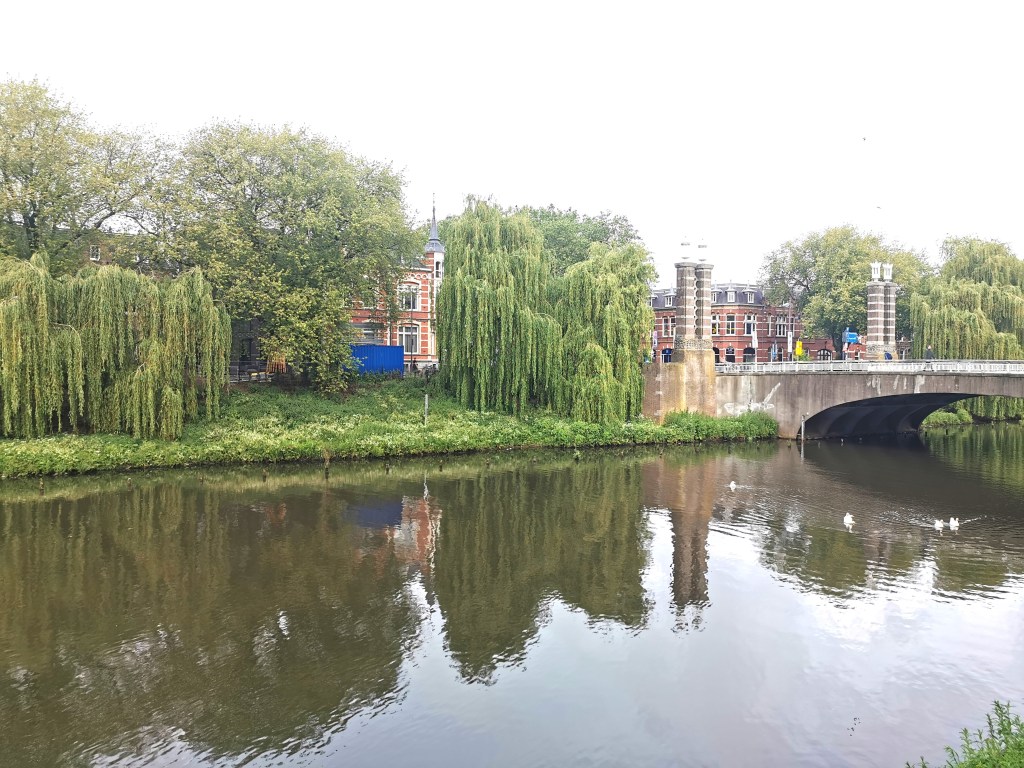
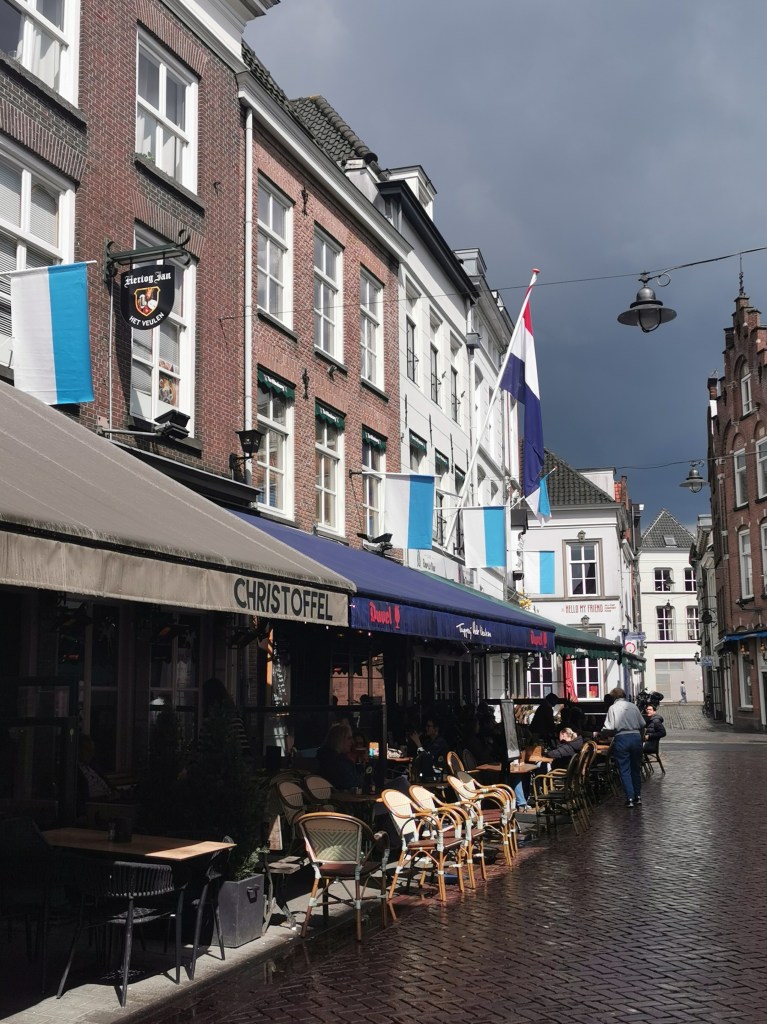
We had hoped to explore the town in the early evening, but it was pouring with rain. We were soon soaked through, had to give up and return to the area close to the hotel. Sunday is obviously a big evening out and the bars were packed. We found some room (and a couple of beers) in ‘t Keershuys bar and bistro then returned later to Le Duc for a meal and more beers, once it had quietened down slightly.

Ther following morning there were only us plus another two people in the hotel. Den Bosch isn’t a tourist destination and presumably the hotels depend on business trade. The rain had ceased (though there were showers throughout our visit) so we were able to spend the morning exploring the city. It was quiet – Monday morning always is in Dutch cities, as people recover from the weekend.
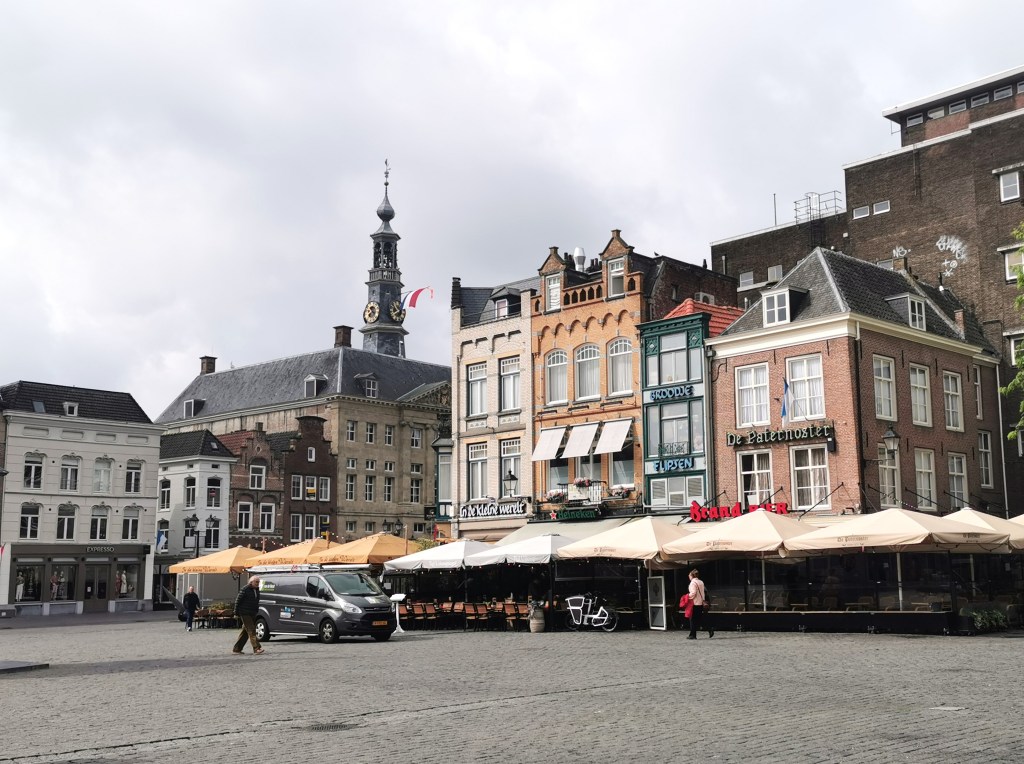
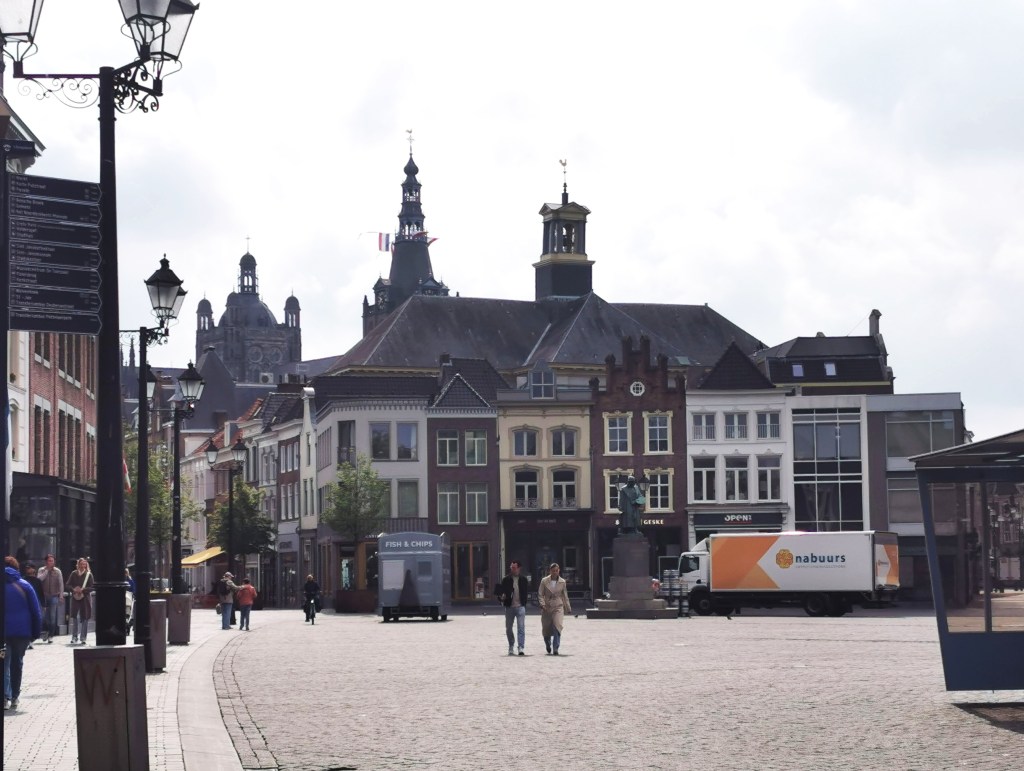
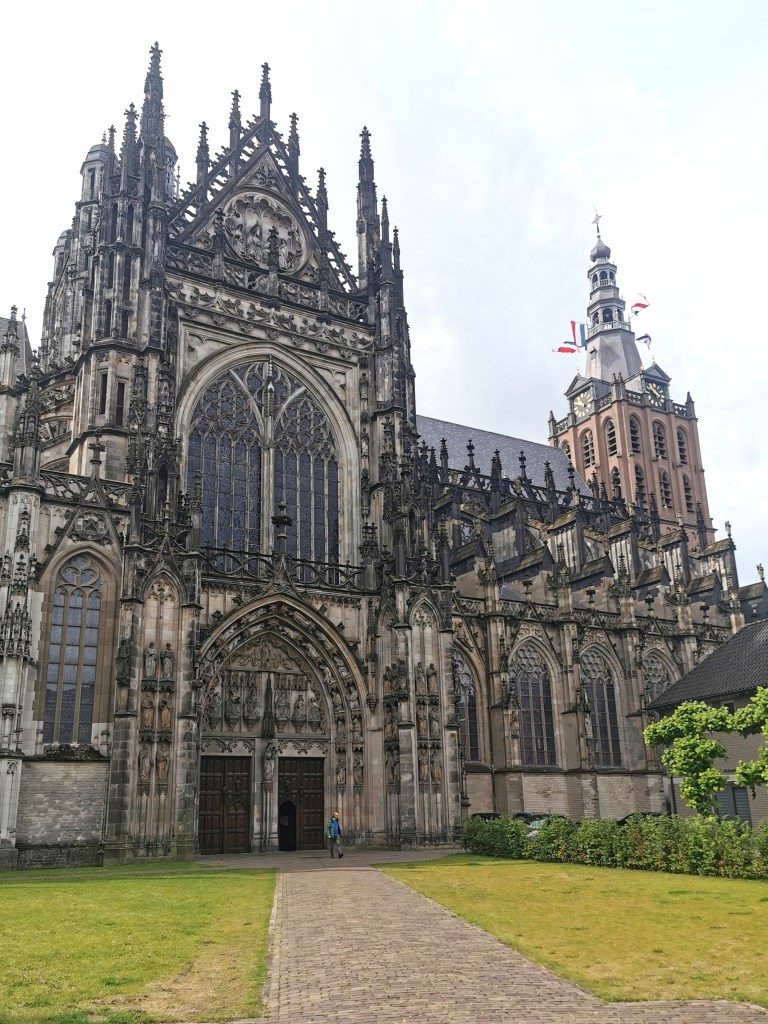
First we made our way to the large, pedestrianised, central market square, Markt, which contains the town hall (Stadhuis) and some of the oldest houses in the city. From there we walked along Hinthamerstraat to the cathedral, Sint Janskathedraal, which was mainly constructed in the fourteenth to sixteenth centuries and dominates that area of the city. On the opposite side of the cathedral is Parade, a large square. On one side is a row of café bars and we paused there for a coffee. We returned via Kerkstraat and several of the back streets and reached the hotel in time for an afternoon nap.
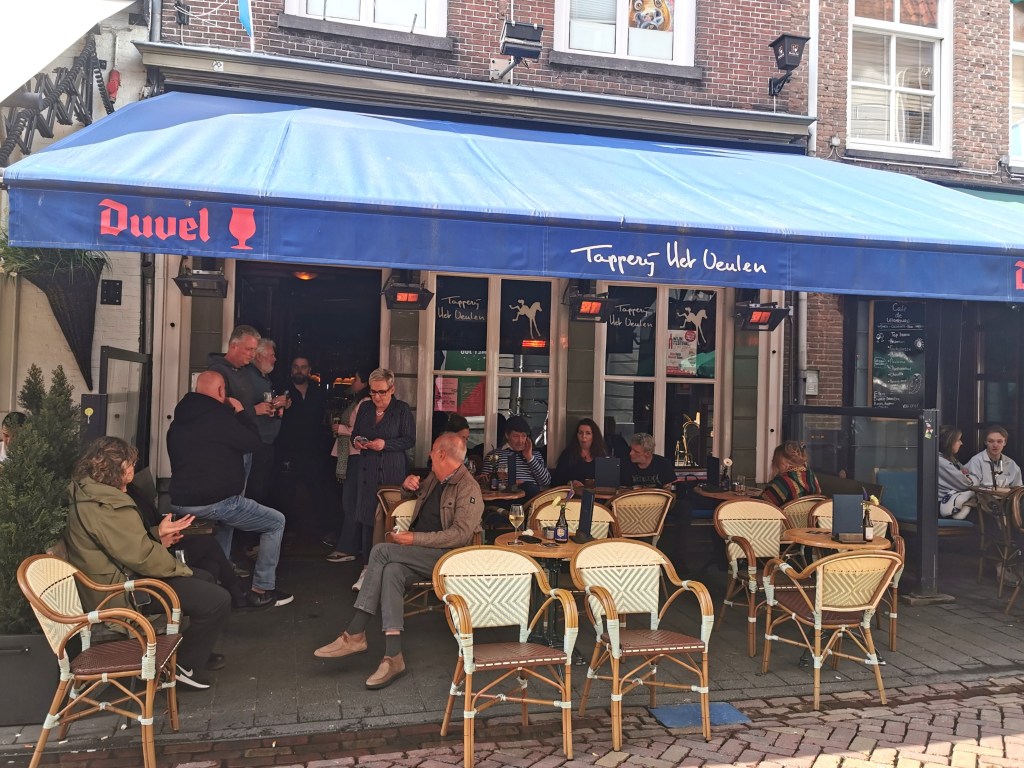
Later, we returned to Korenbrugstraat, home of Le Duc and spent a second evening in that area. A couple of doors along from Le Duc is the recommended bar Tapperij Het Veulen (pictured), which we can confirm is another one worth a visit. We finished up that evening in the hotel bar – there were a few people around and we got into conversation with them.

Binnendieze Canal trip
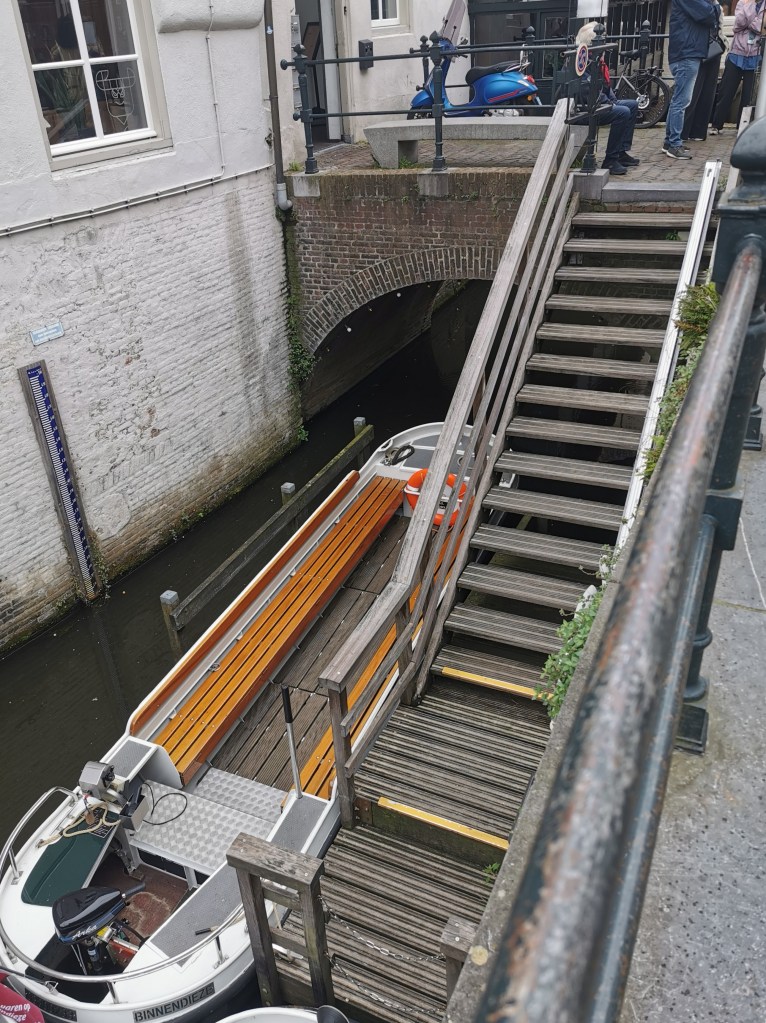
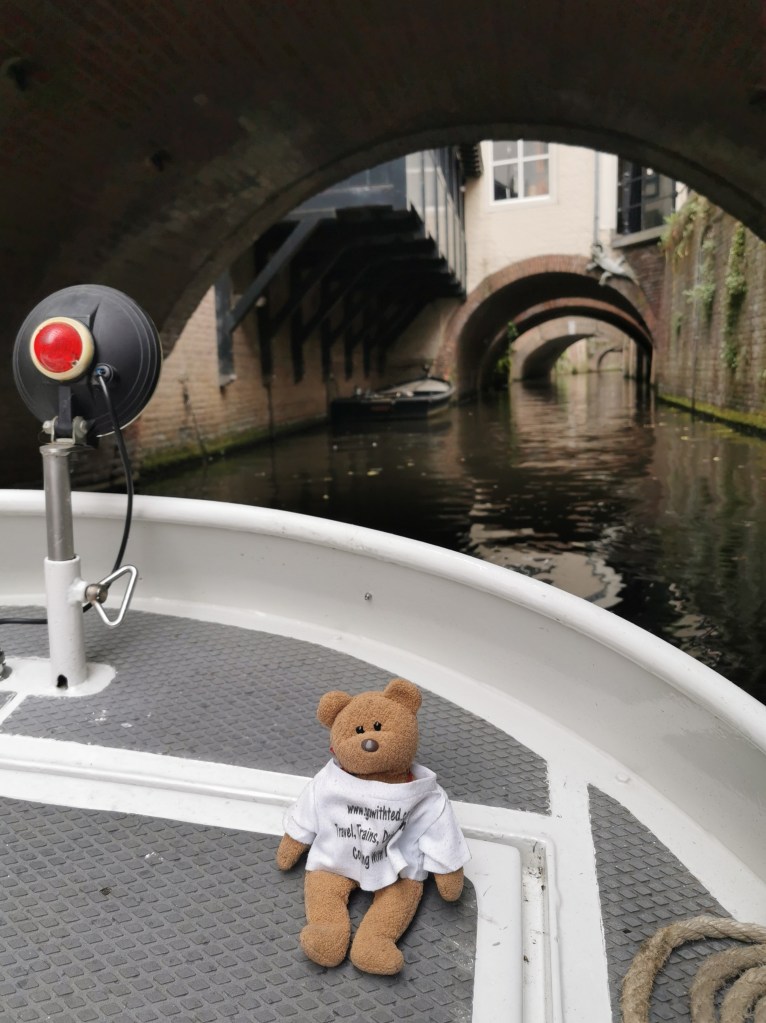
On Tuesday after breakfast we decided to follow Ken’s suggestions for things to do. First up was a circular boat trip around the city’s old canals – the Rondvaart de Binnendieze. We found out where the boats departed from and where to buy tickets – two different places (see practicalities) – and booked on an English language tour. The boats are, by necessity, small and the number of people onboard is limited, though the frequency of trips can respond to demand. The boats are crewed by local volunteers who steer and provide the commentary.
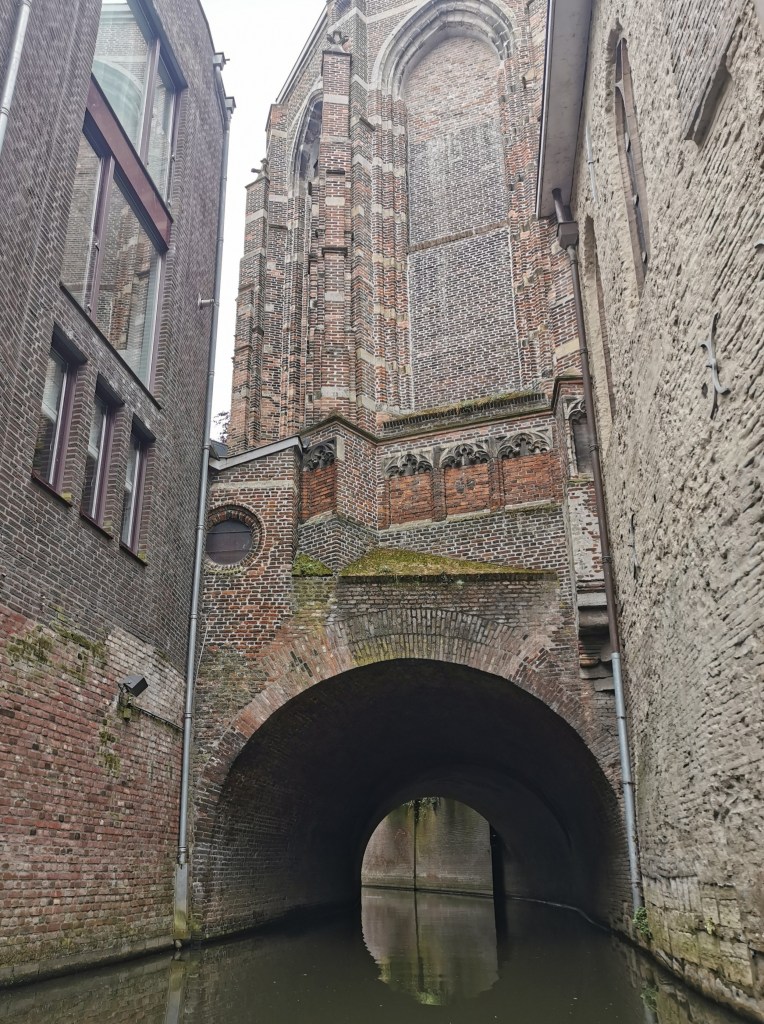
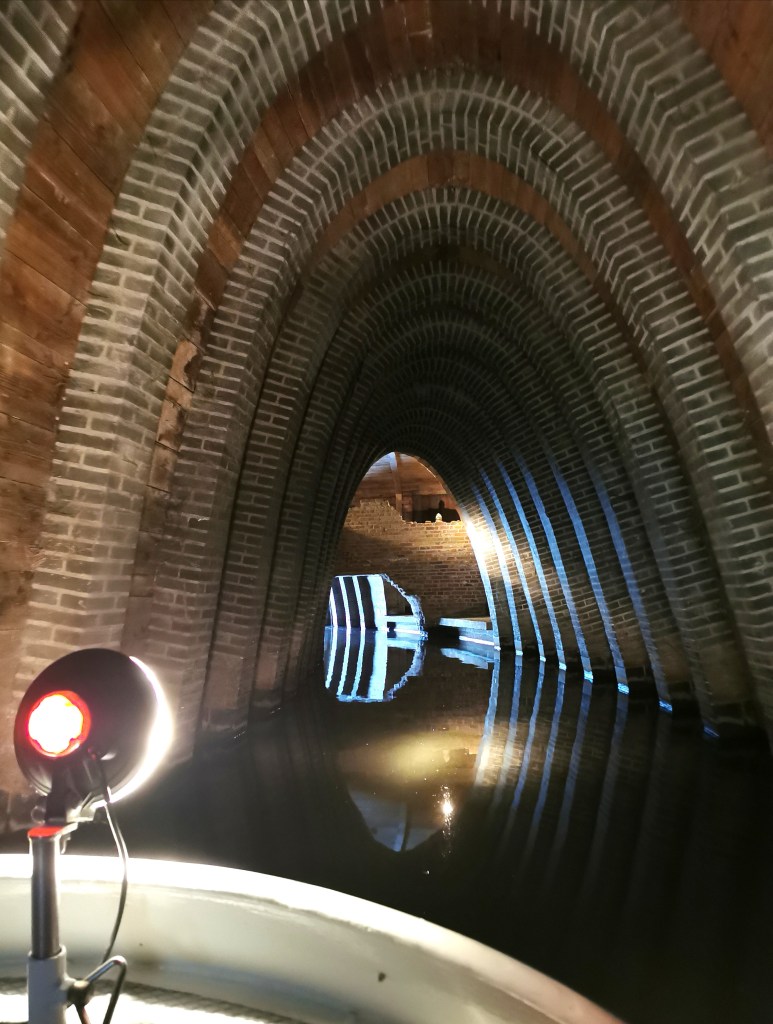
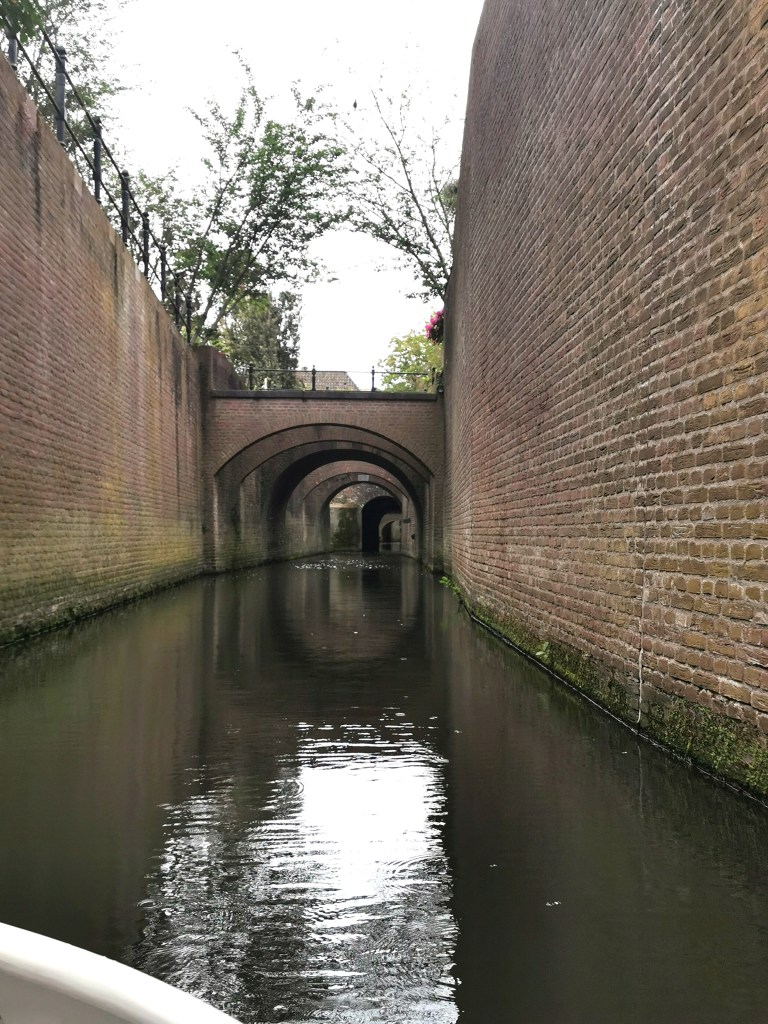
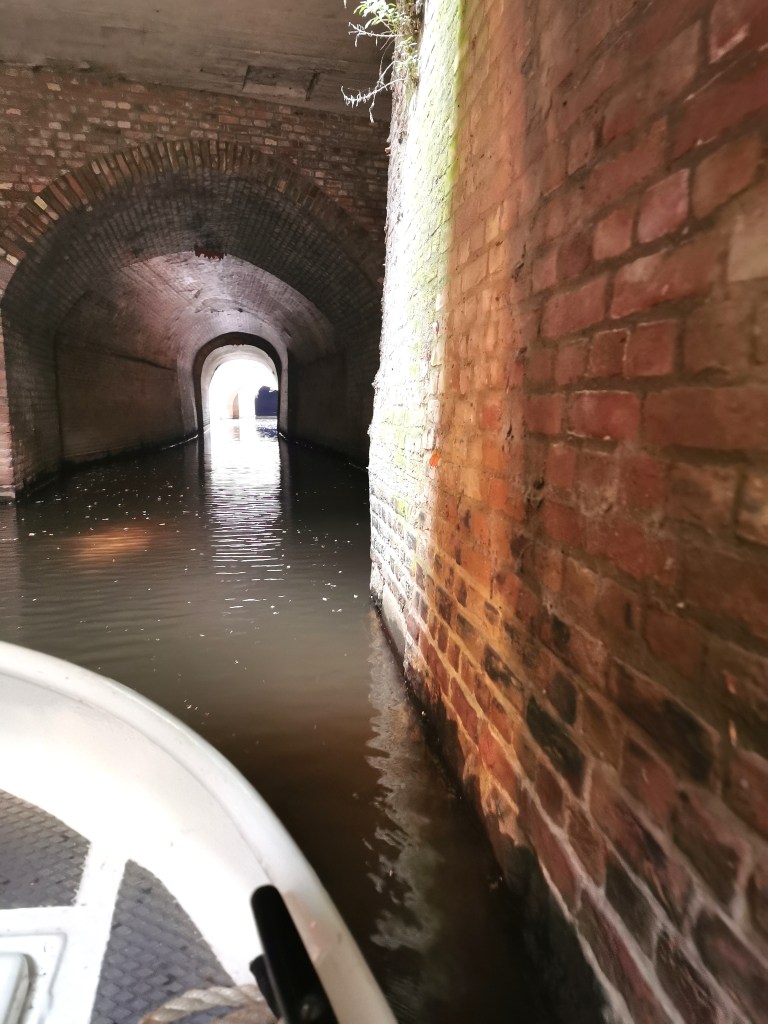
The Binnendieze are not like Amsterdam canals – they are narrow and many are underground. They were built over as the population of the city grew and it was not allowed to live outside the city walls. Until a proper sewage system was installed they were used as sewers. They were filthy and stinking until a major preservation and renovation effort beginning in the 1970s – our guide told us that the final house using the canal for their sewage only ceased in the 1980s.
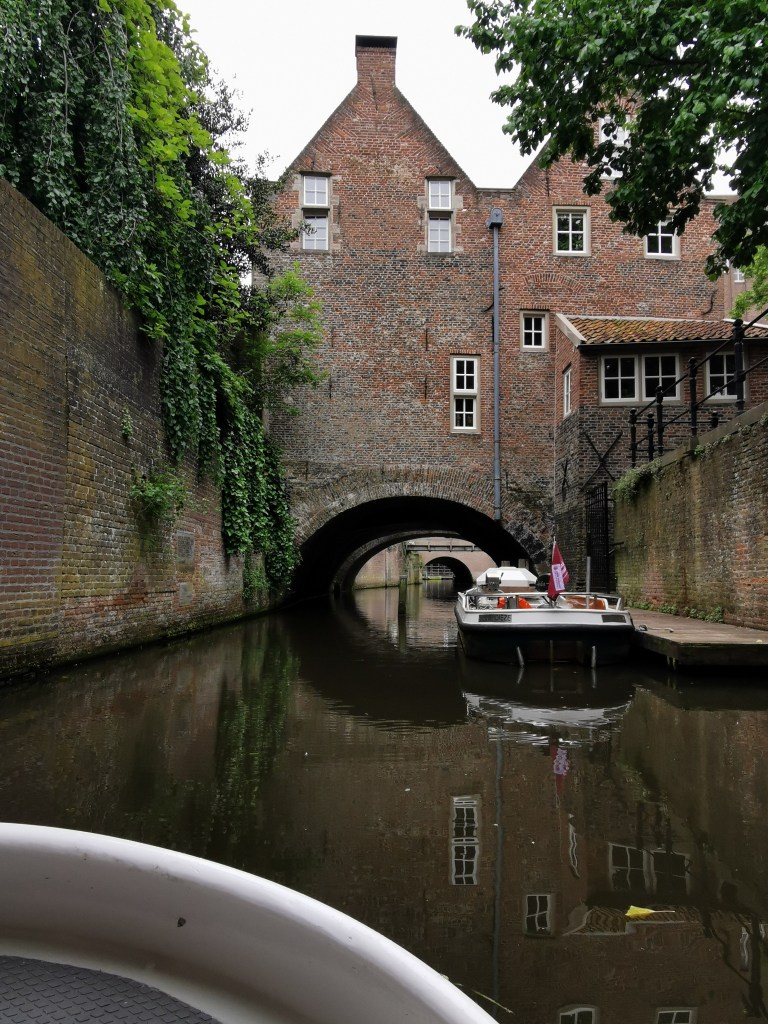
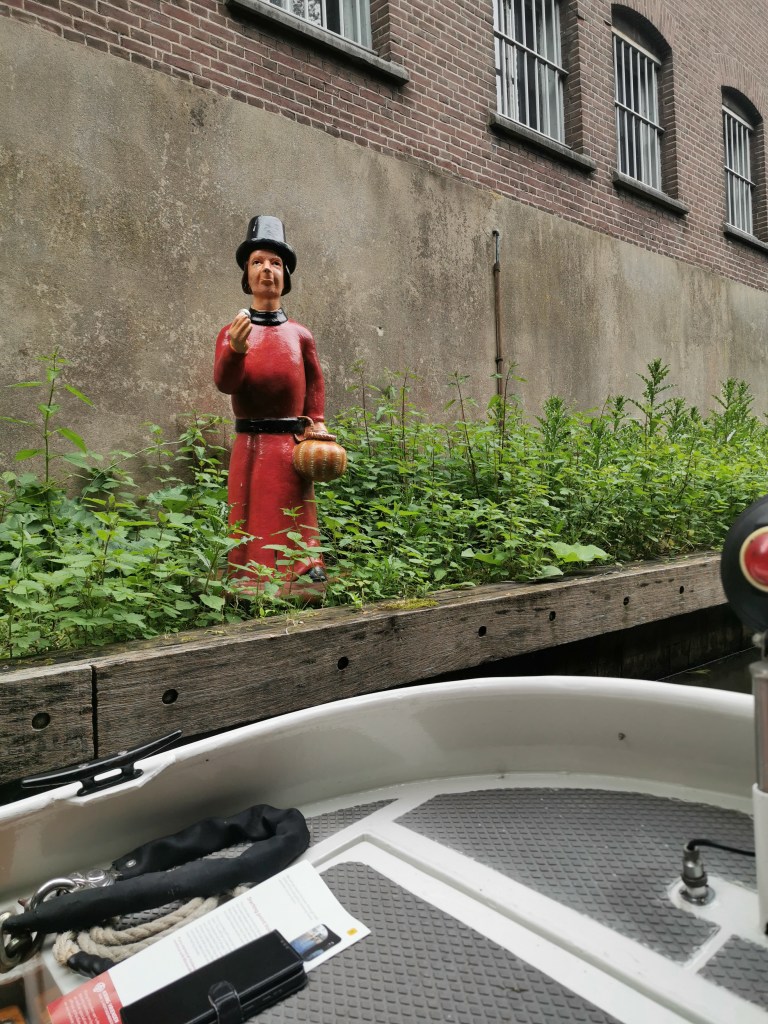
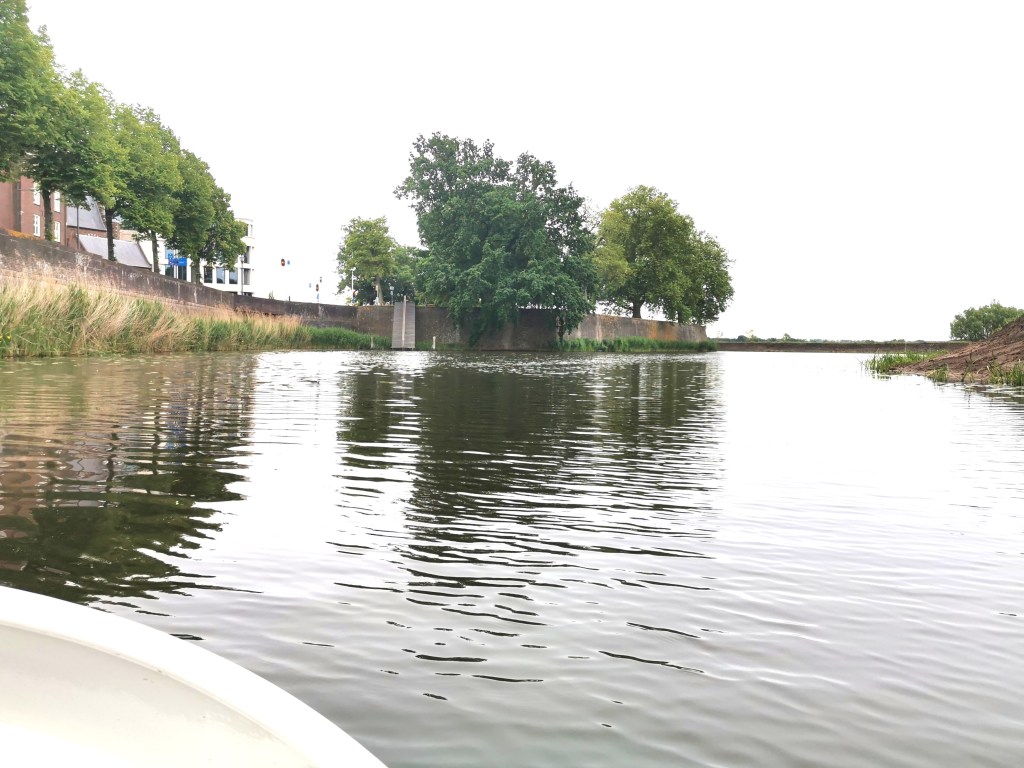
The tour takes just under an hour and is fascinating for humans and bears alike. We passed under houses and chapels built over the canals and saw the openings made for their sewage. For a while it travels outside the old walls with views of the ramparts and bastions. It then returns through one of the old gates with their sluice doors, and passes under more houses, shops, the museum and the town hall to return to the starting point on Molenstraat.
The Hieronymus Bosch Museum
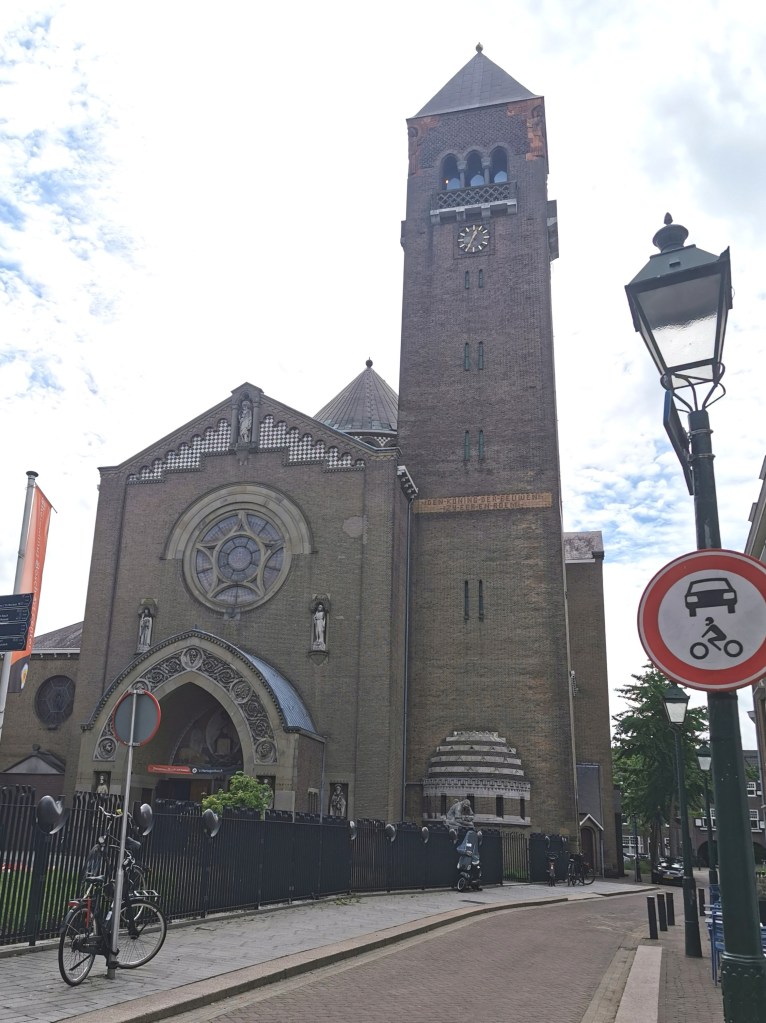
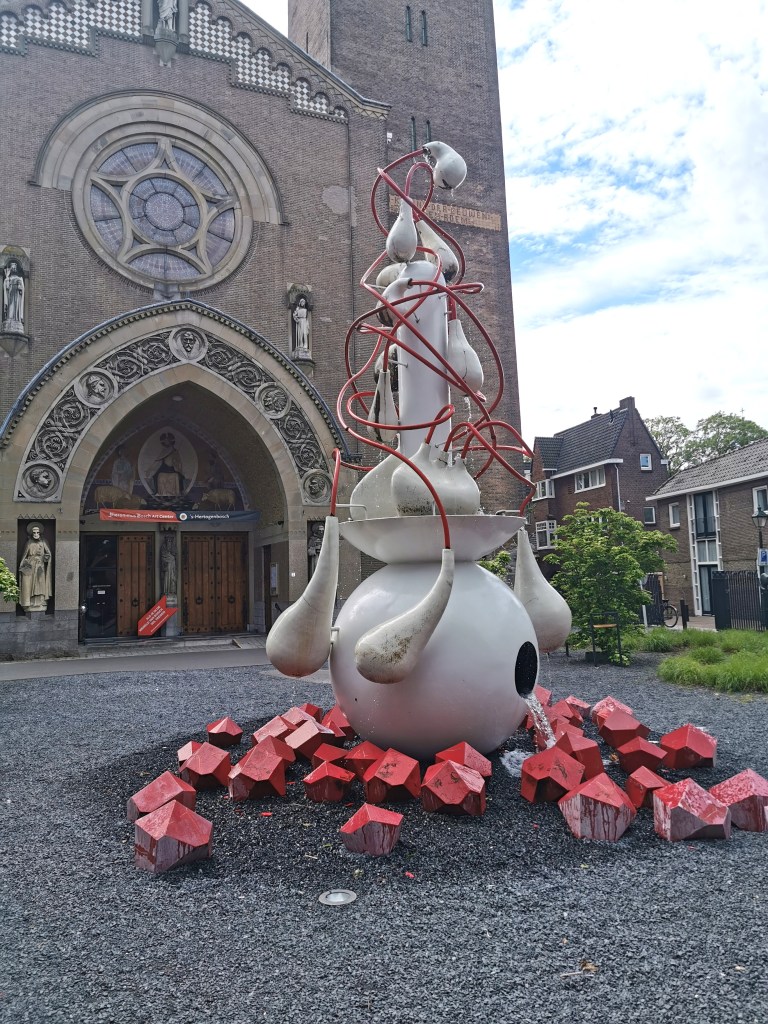
St. Jacobskerk – home of the Jheronimus Arts Center
After the canal trip we retraced yesterday’s steps through the Markt and along Hinthamerstraat dodging the electric bikes. They have become as much of a problem in Dutch cities as elsewhere – kids and delivery workers have given up the traditional sit-up-and-beg bikes. Past the cathedral at the far end of the street we finally we reached the Jheronimus Bosch Arts Center, the museum devoted to the local artist Hieronymus Bosch in a former church – St Jacobskerk

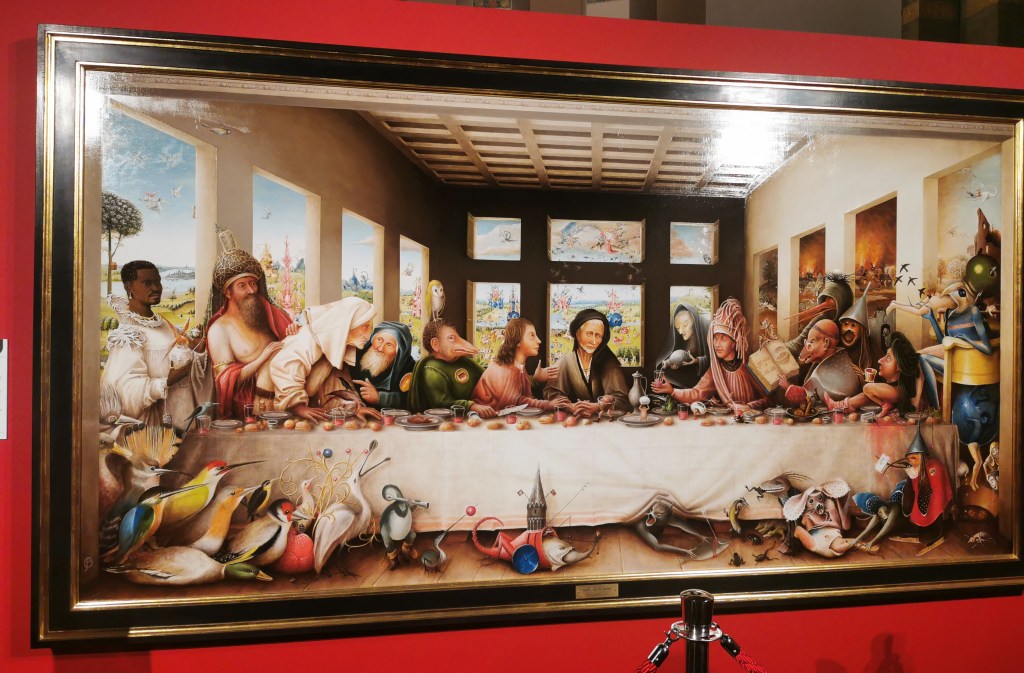
I knew the name but nothing else about him. However, the visit turned out to be an excellent idea. It turns out he was born Jheronimus van Aken but adopted his professional name Bosch, after his home city. He was born around 1450 and is best known for his fantastic illustrations of religious concepts and narratives – the most famous is ‘The Garden of Earthly Delights’ altarpiece.
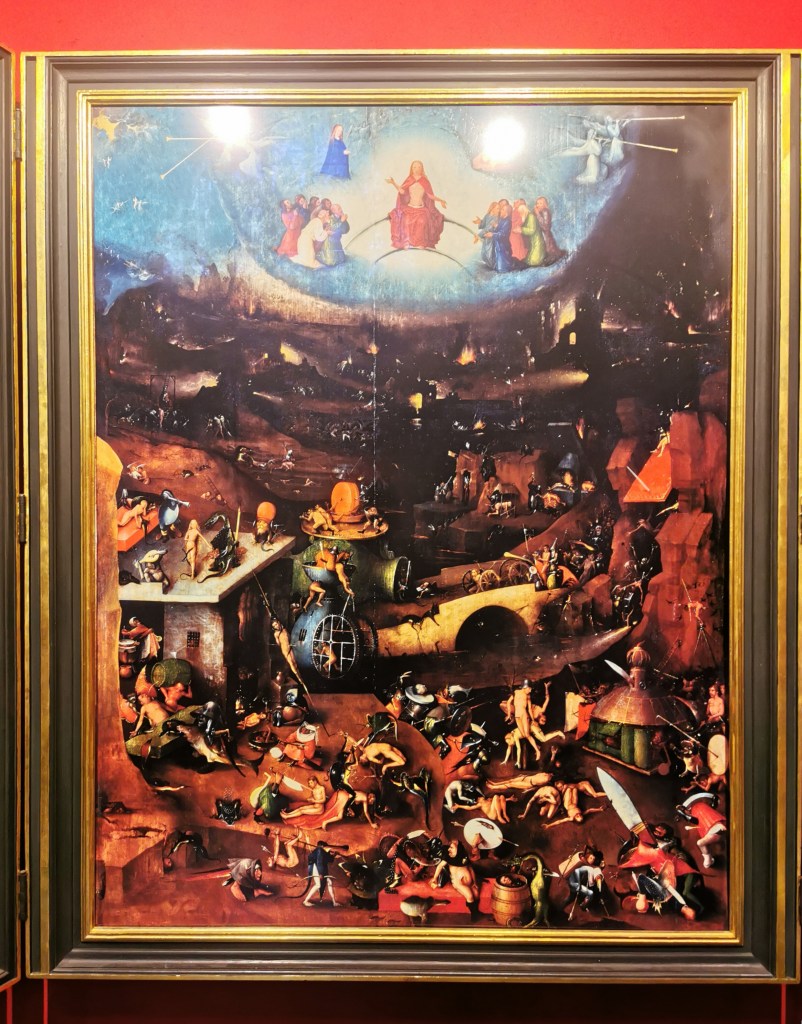
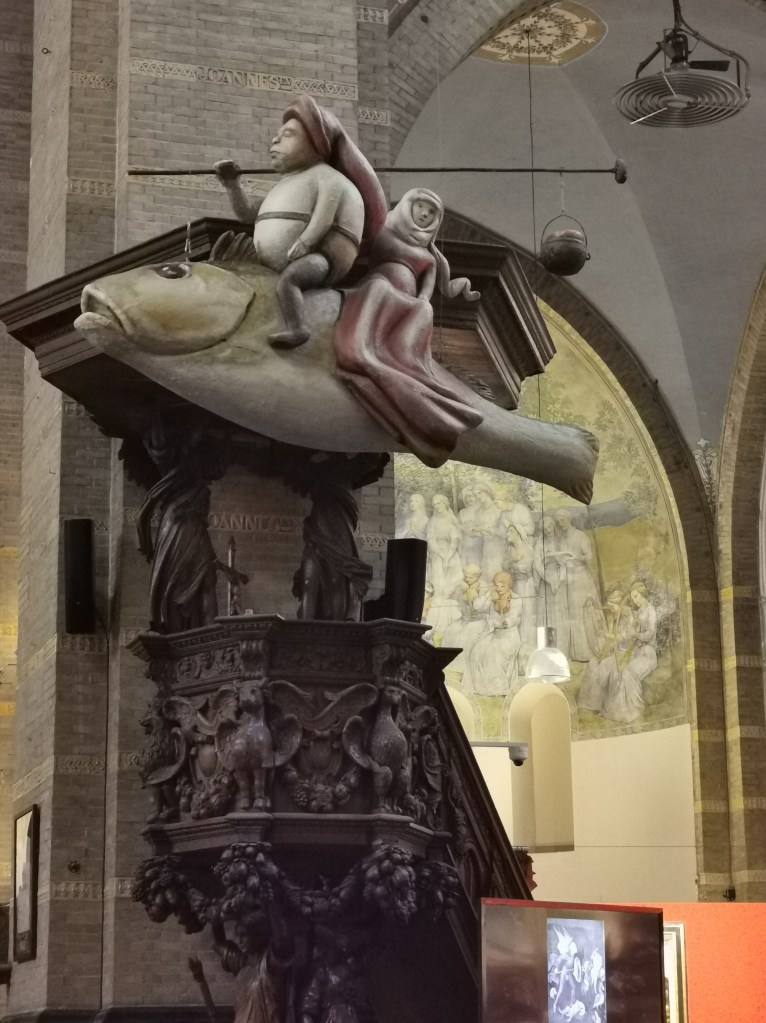
The museum, which opened in 2007, contains full-size reproductions of all his own surviving works (the originals are in galleries around the world), sculptures based on his work and works by artists whom he has inspired. The museum also contains a reconstruction of a medieval astronomical clock – we were treated to a demonstration of it in operation – and a tower with views over the city.


Near the museum, Ken, whose hotel was in the area, had recommended a Surinamese restaurant and two bars in Hinthamerstraat. After the museum we called in at the Tante Wonnie Surinamese restaurant for a snack. It was good so we returned that evening for a full meal. The food was excellent – I had a fish dish which was not yet on the menu. The food was based not only on Surinamese produce but influenced by food of Indonesia, West Africa and other regions.
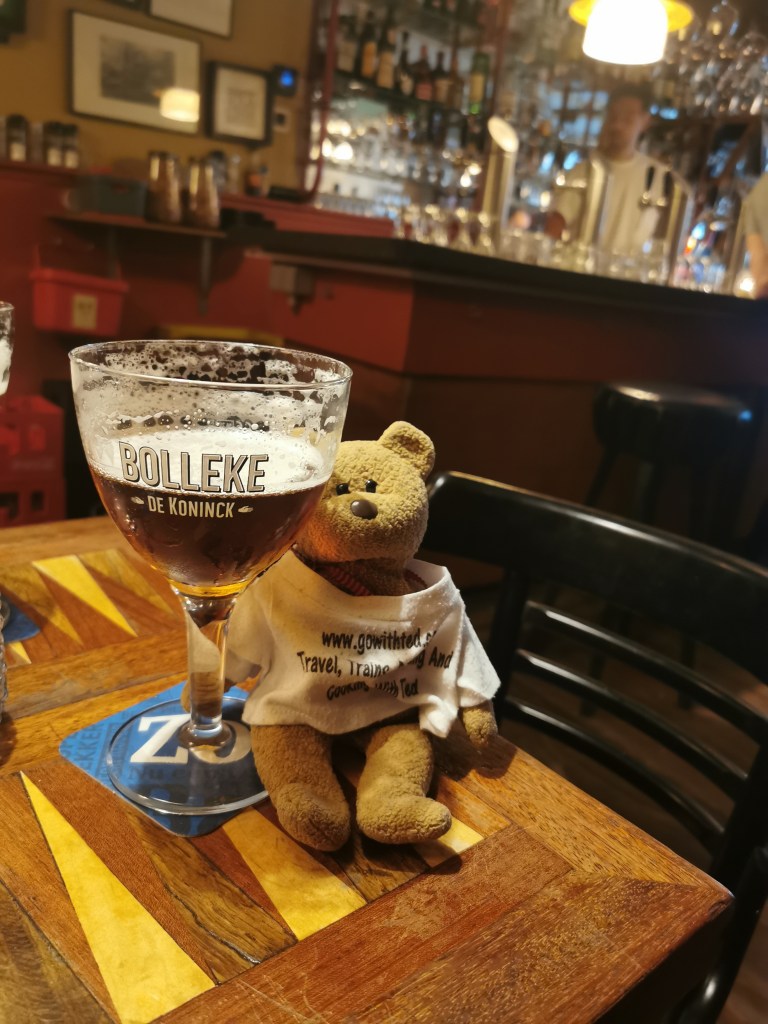
The bars were Café de Palm and Stadscafe de Basiliek. De Basiliek was closed on Tuesdays but we visited de Palm before and after our meal. It is a friendly brown bar with a regular local clientele, serving a range of beers including draught de Koninck. always a favourite with Ted and I. In the background the playlist included many favourite tracks – I noticed this in other bars also, that they catered for the tastes of old farts like myself.
A visit to Utrecht
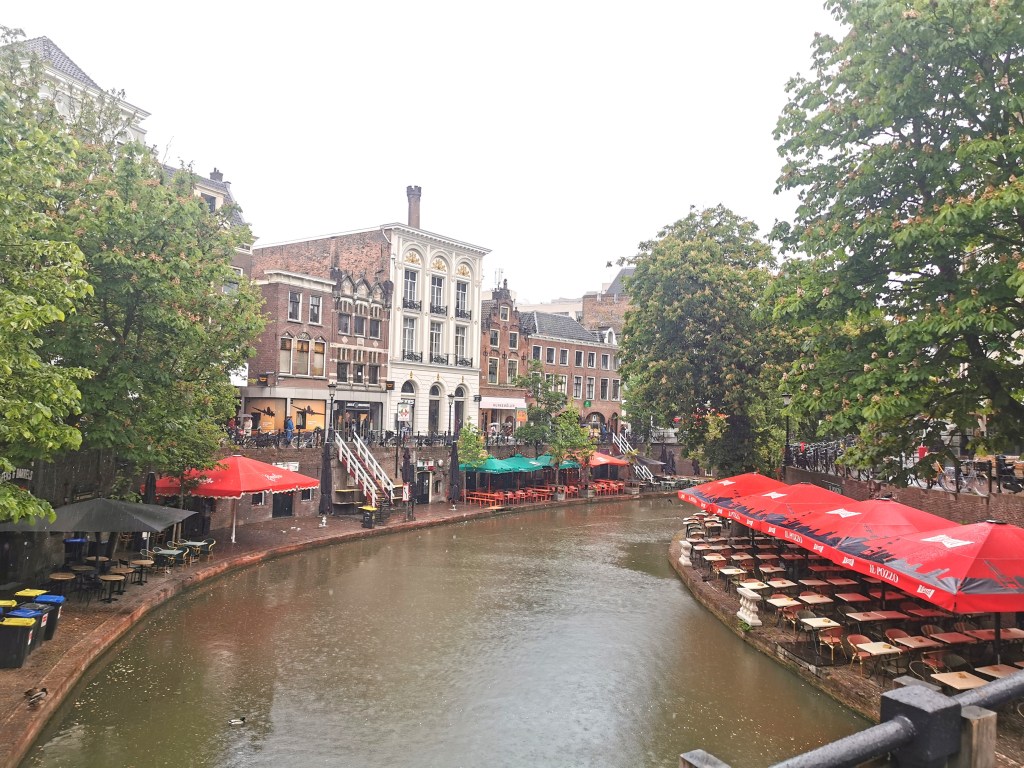
We had set aside Wednesday for a day trip out from Den Bosch. We had planned to go to Nijmegen (which we had never visited and which locals in Den Bosch recommended). Unfortunately, more engineering work meant that there was a rail replacement bus service, which we decided against, thinking of our bladders on the return journey after a few beers. Instead, we decided on Utrecht, which I had previously visited in 2000 on a day trip from Leiden.
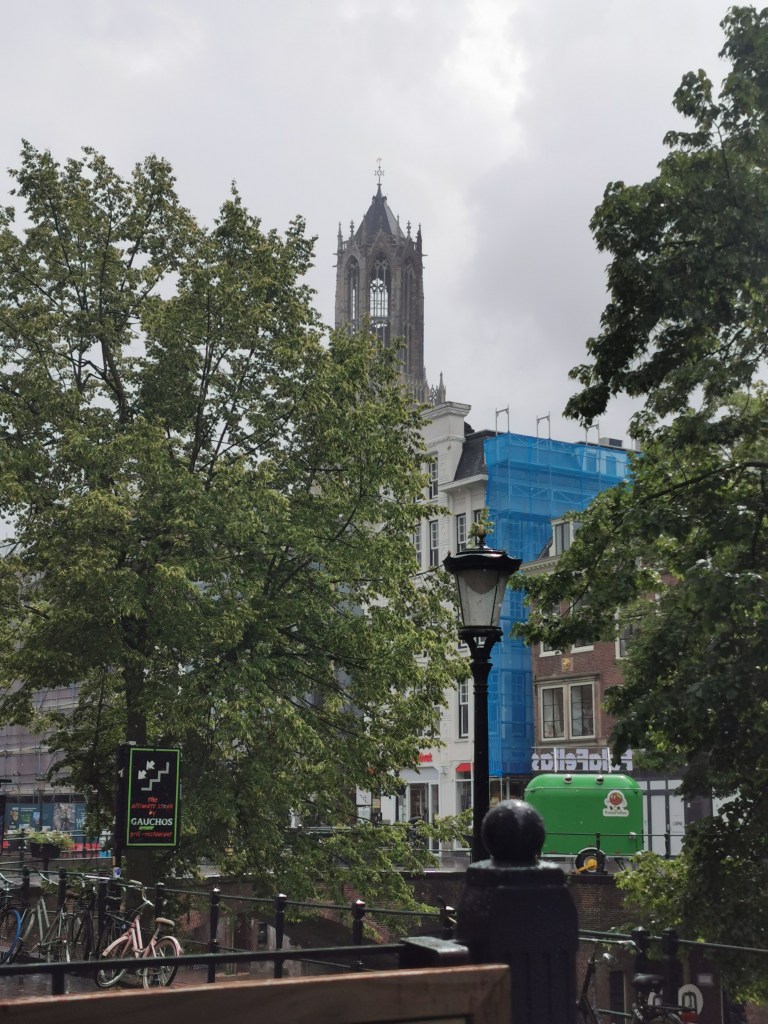
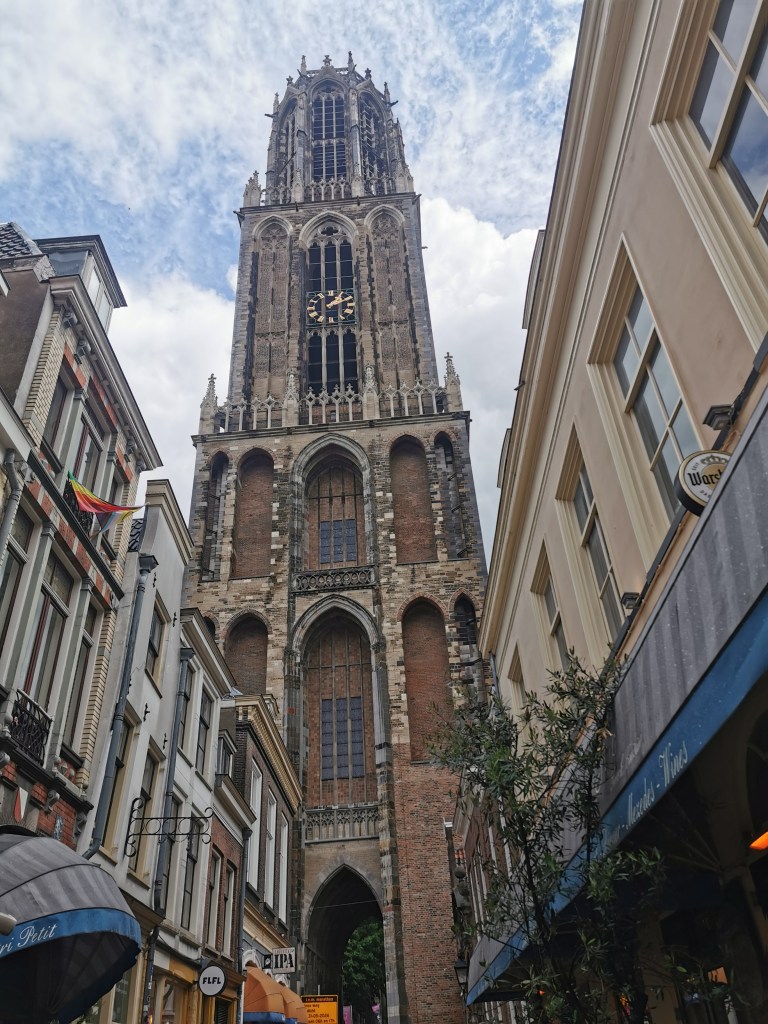
It is a thirty minute train journey from Den Bosch. On leaving Utrecht Centraal you have to pass through a vast, hideous, modern shopping centre to reach the historic city centre. Once there we walked along cobbled lanes lined with old gabled houses to the Oudegracht canal, also lined with historic buildings. Beside the canal are cafes and bars in cellars transformed from warehouses.
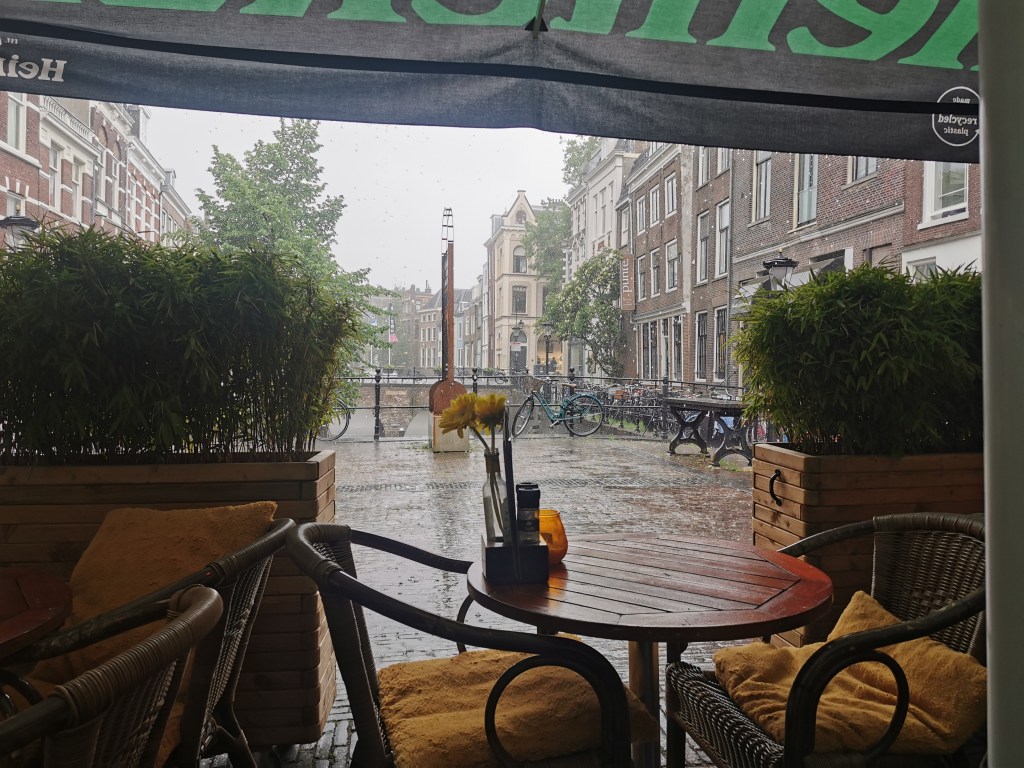
After taking refuge in a café-bar for shelter from a heavy rain shower we continued along to the cathedral – the Domkirk – and the separate Domtoren towers. They were originally part of the cathedral but the nave collapsed in a storm in the seventeenth century, leaving them detached from the remainder of the cathedral.
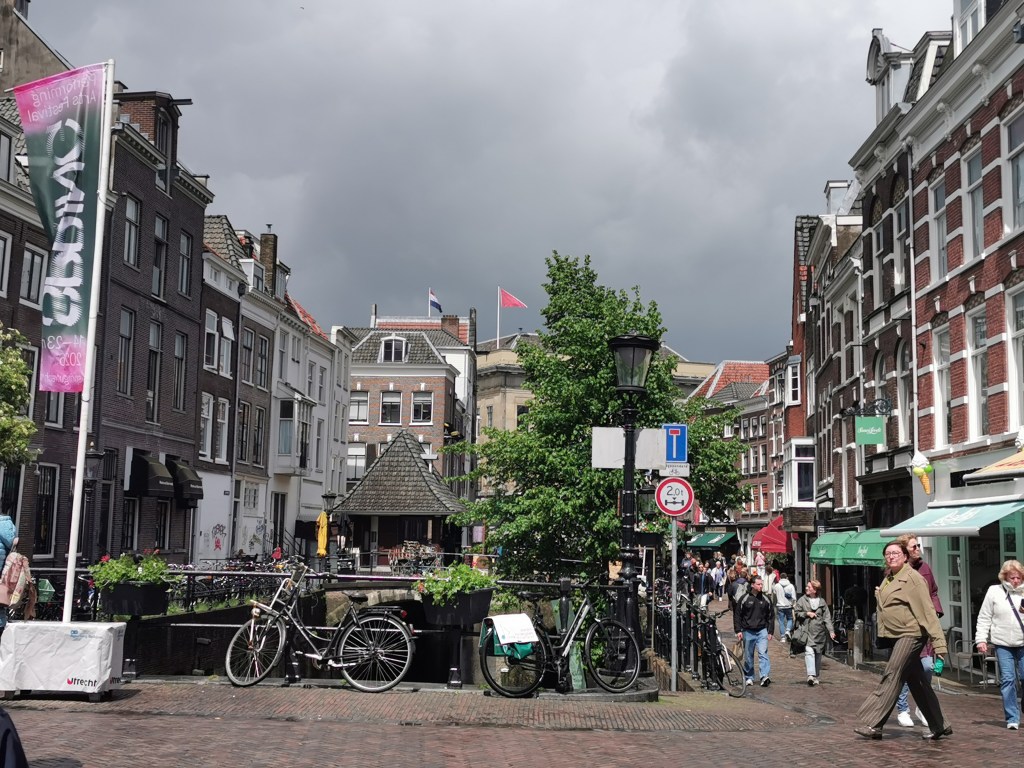
It was time for a drink of lunch and we called in to Kafe Belgie. It is an excellent place with a vast selection of draught and bottled beers and friendly staff. We had been recommended to try De Rat, a little walk away in a residential area, but it was closed that day so we made our way back to the station, stopping along the way in somewhere I can’t remember the name of.
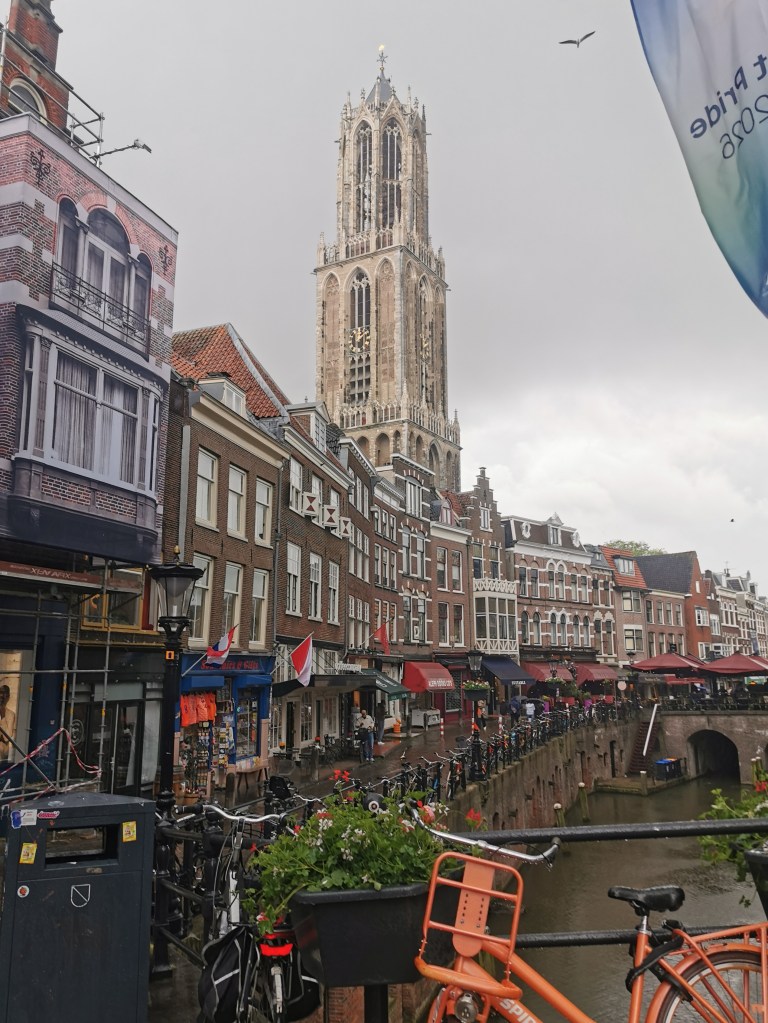
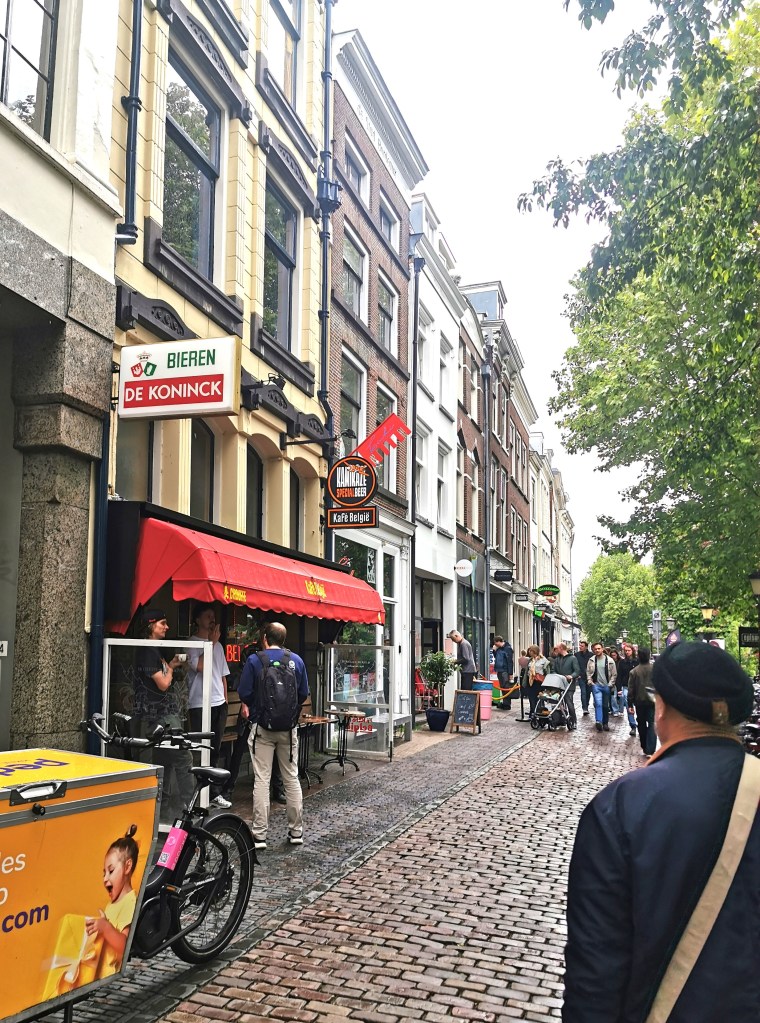
Back in Den Bosch for the evening we traipsed across town so that we could try de Basiliek (and also visited de Palm once more), with its fine selection of beers, including 16 on draught, before returning to our local area and our final visit to Bar le Duc.
An hour in Amsterdam

Thursday and it was time to head home. First, it was time for the inevitable cock-up. I dropped my mobile phone (containing my debit and credit cards and the airline app) into the narrow space between the bed and the wall and couldn’t reach it, There was no way we could move the bed, which was extremely heavy and appeared to be built-in. We had to get the housekeeping staff to sort it out, who obviously knew the technique.
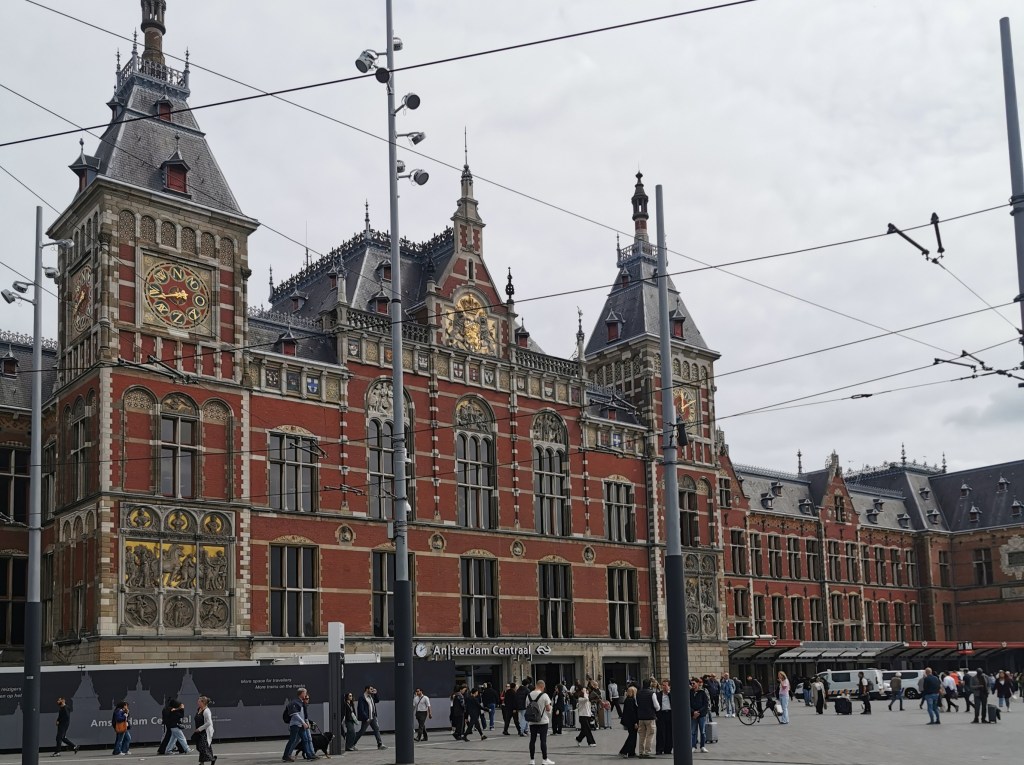
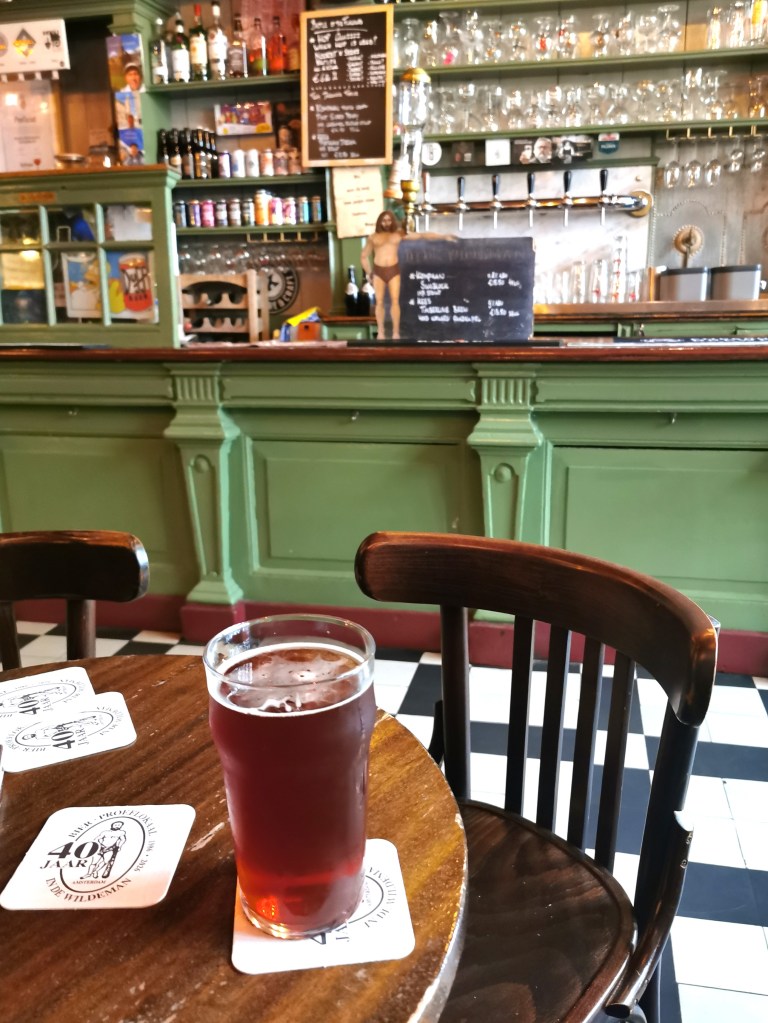
We didn’t have to be at Schiphol airport until 1400 and we agreed that allowed us to have an hour or so in Amsterdam and still reach the airport in time to have lunch before boarding. Emerging from Amsterdam Centraal we were immediately glad that we had chosen to stay in Den Bosch. It was heaving with tourists and all round the Damrak and Nieuwendijk area just over the bridge from the station is full of dope and tat shops and smoking bars. Forty-odd years ago I loved it.
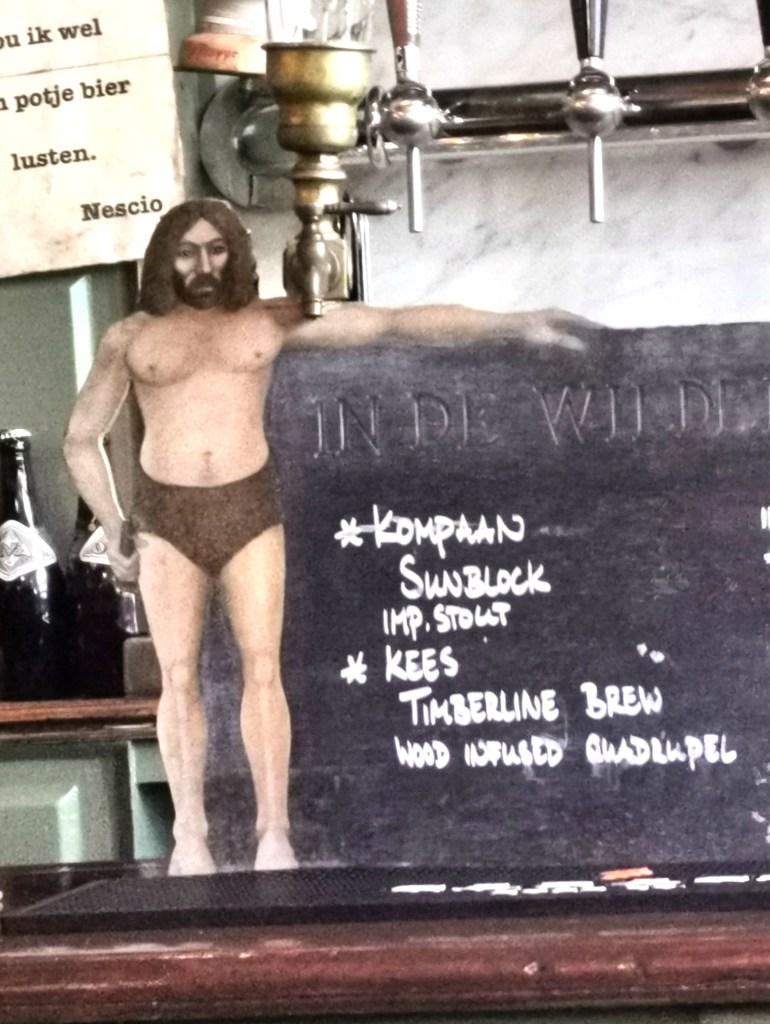
However, one of my favourite bars is on a quiet side street a few minutes walk away and we found it was still there, open and quiet at that time of day. In de Wildeman is described as a beer tasting room and is famous for its vast selection of hundreds of beers. The landlord helped us choose and we enjoyed a locally made bitter. Suitably refreshed, we returned to the station, caught the next train to the airport and, eventually, home. Another successful jaunt.
Practicalities
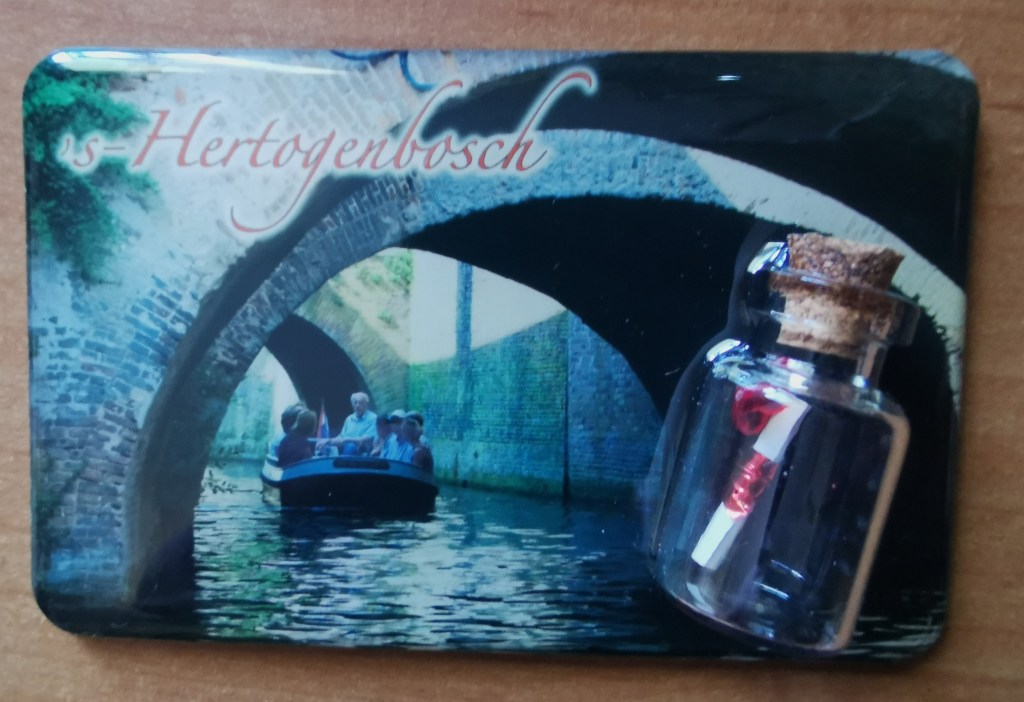
A note re cash – The Netherlands now appears to be a cashless society. Though I had some euros with me, I didn’t use any throughout the trip. As always, it is worth having some cash, just in case.
Travel
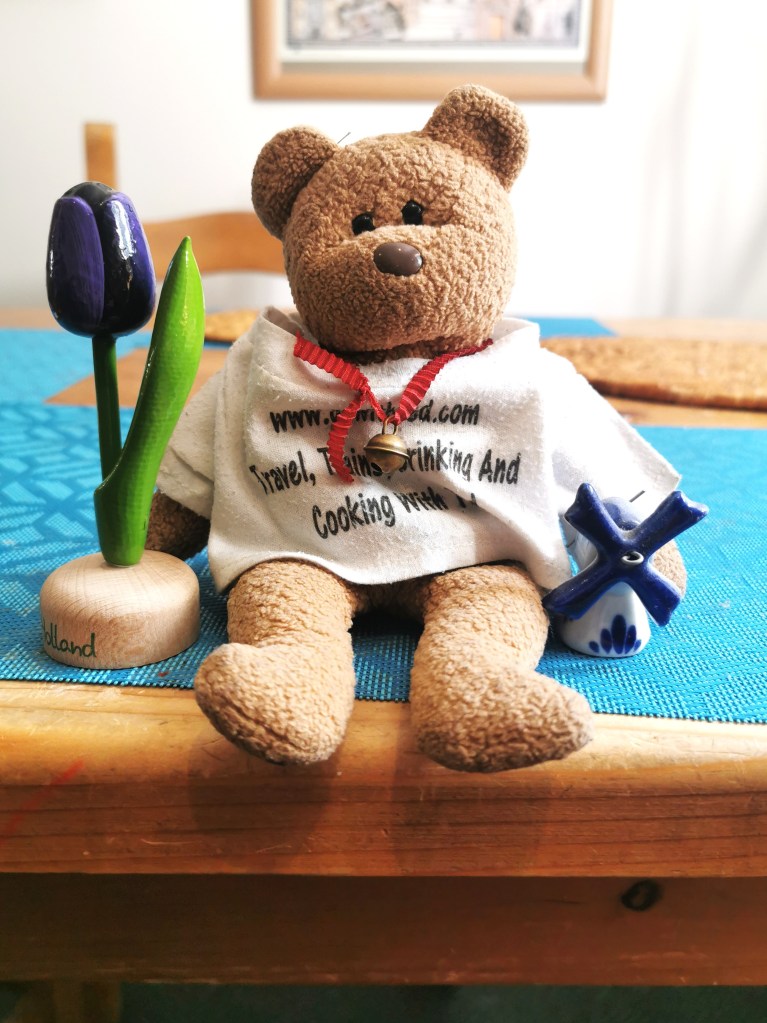
Flights – We flew by KLM from Newcastle to Schiphol. The fares were expensive, despite four daily flights – they are often fully booked well in advance as many people travelling worldwide prefer to transfer at Schiphol rather than Heathrow. Easyjet fly a couple of times a week at horrendous early morning times. I found the KLM website trickier to use than the Ryanair site (but that’s just me getting old). KLM sent us a confirmatory and reminder text which woke us up in the middle of the nights before we flew. Also, you can’t check-in until 30 hours before take-off. However, the journey is non-stressful and they even provide a free biscuit (outward) or small tin of beer (return).
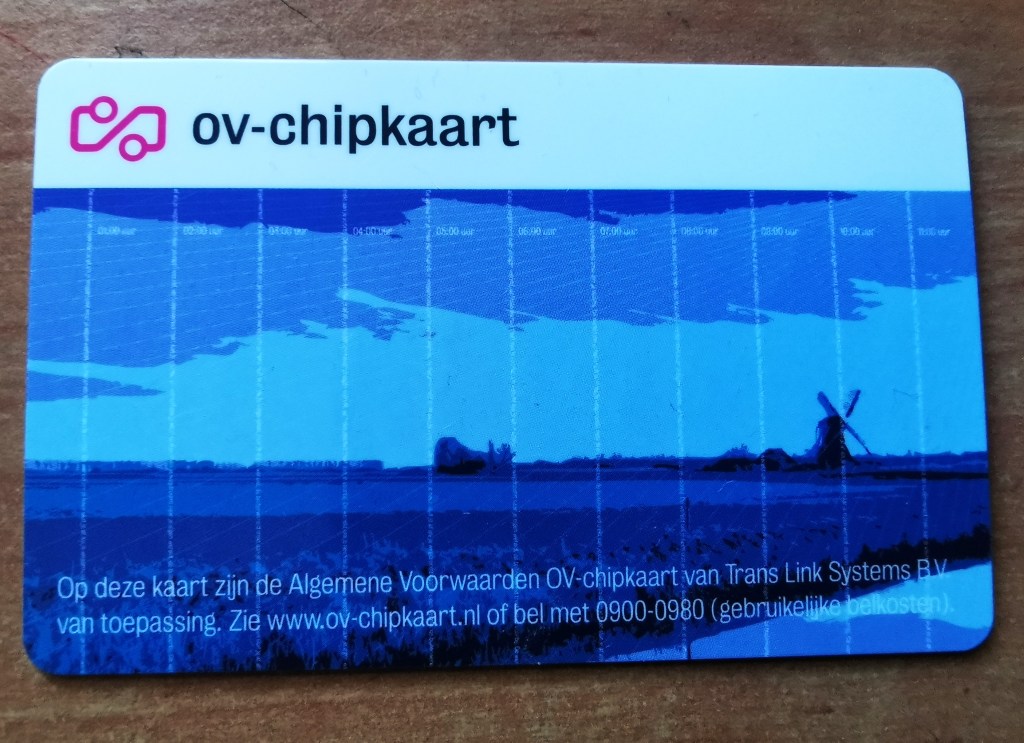
The Netherlands – Public transport is frequent and co-ordinated throughout the Netherlands. Traditionally, payment is made by using the OV-chipkaart which can be purchased and topped up at railway station ticket offices and machines. I used mine because I had a balance left on the card. However, this is now unnecessary, as you can use debit cards to tap in (and tap out on trains) on all public transport. Dave simply used his debit card for all travel. Ted travelled free as usual. It’s easy.
Eating and drinking
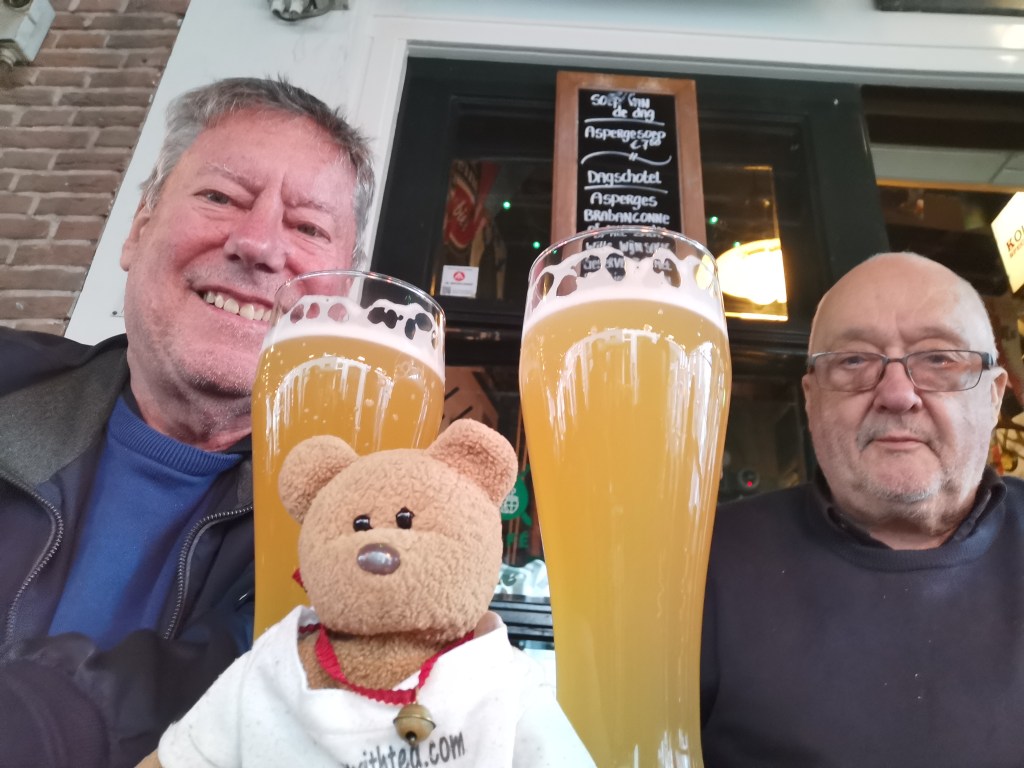
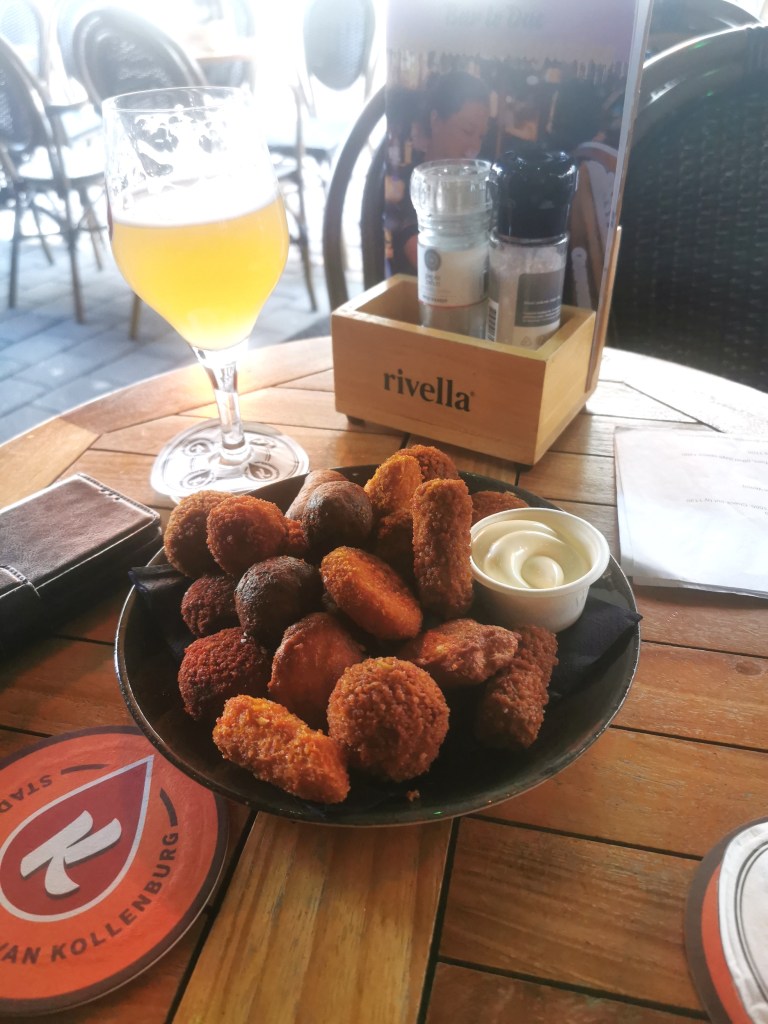
Most of the time we ate in the bars we frequented and tried to stick mainly to Dutch options. We were impressed with the menus, particularly that it was common to serve the same food in different sized portions for snacks or main meals. Two local specialities which we didn’t get around to trying (but available from the local bakers) are Bosche Bol, a kind of giant profiterole and a type of sausage roll (didn’t note the name).
The bars we chose and were recommended had excellent selections of draught and bottled beers. Check out the strength of the beers – many are at least 5% abv and we found it wise, particularly during the day, to stick to small glasses, usually 0.25l, sip them slowly and savour the flavours.
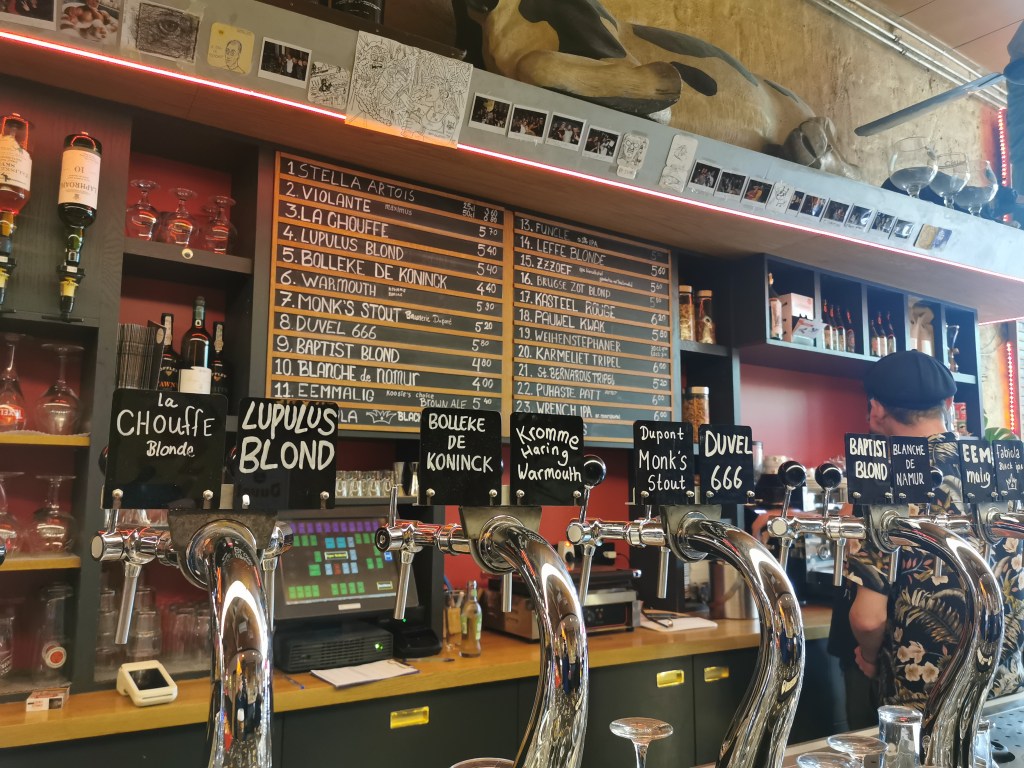
The places named in the text where we drank and/or ate were:
Den Bosch: Stadscafe de Basiliek, Hinthamerstraat 83, closed Mon and Tues; Bar Le Duc, Korenbrugstraat 7; Bistro ‘t keershuys, Lepelstraat 45; Cafe De Palm, Hinthamerstraat 82; Tante Wonnie, Hinthamerstraat 115, closed Weds; Tapperij Het Veulen, Korenbrugstraat 9-A.
Utrecht: Kafe Belgie, Oudegracht 196.
Amsterdam: In de Wildeman, Kolksteeg 3.
Hotel: Hotel The Stamp, 77 Karrenstraat.

Canal Boat trips – Rondvaart be Binnendieze: book tickets at Bolwerk, St Janssingel 25. Boats depart from Molenstraat.
Hieronymus Bosch Museum – Jheronimus Bosch Museum Center, Boschplein 2.
For our other recent trip to the Netherlands see Leiden, Brugge and Lille .
Acknowledgements: Thanks to Ken Donald for his suggestion of Den Bosch as a fine place to go, for his recommendations of places to drink and eat and things to do, and for an advance copy of his article about his trip for the CAMRA Tayside magazine, Hooked on Ale. Thanks also to Dave Webster for his company on the trip,
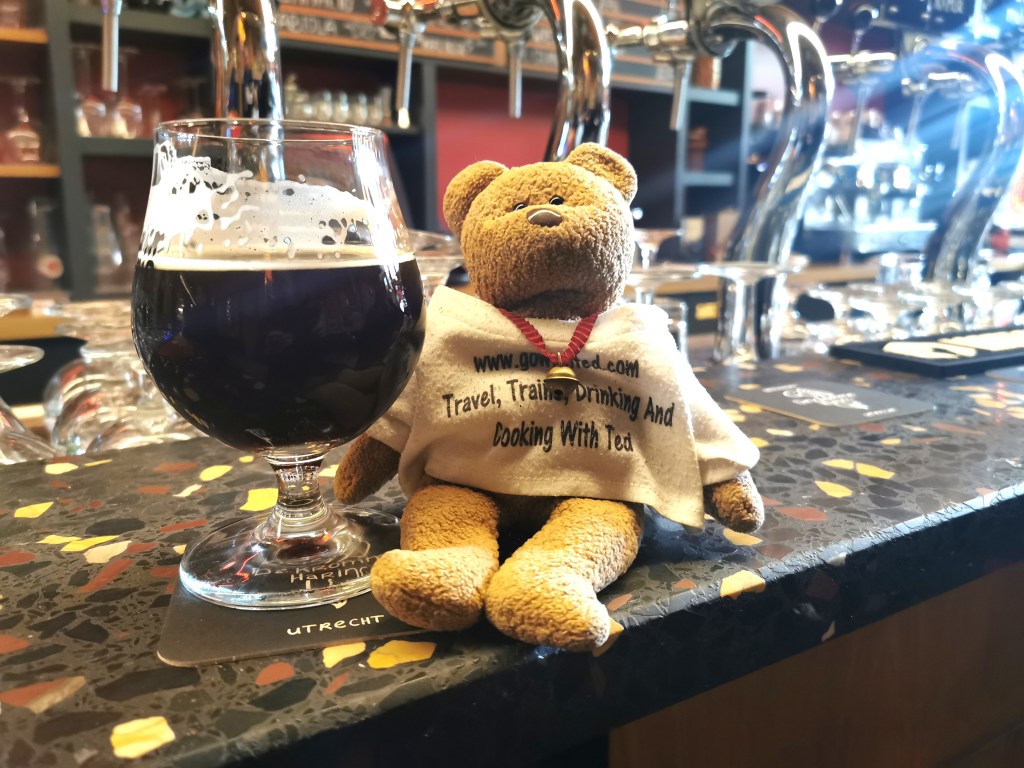
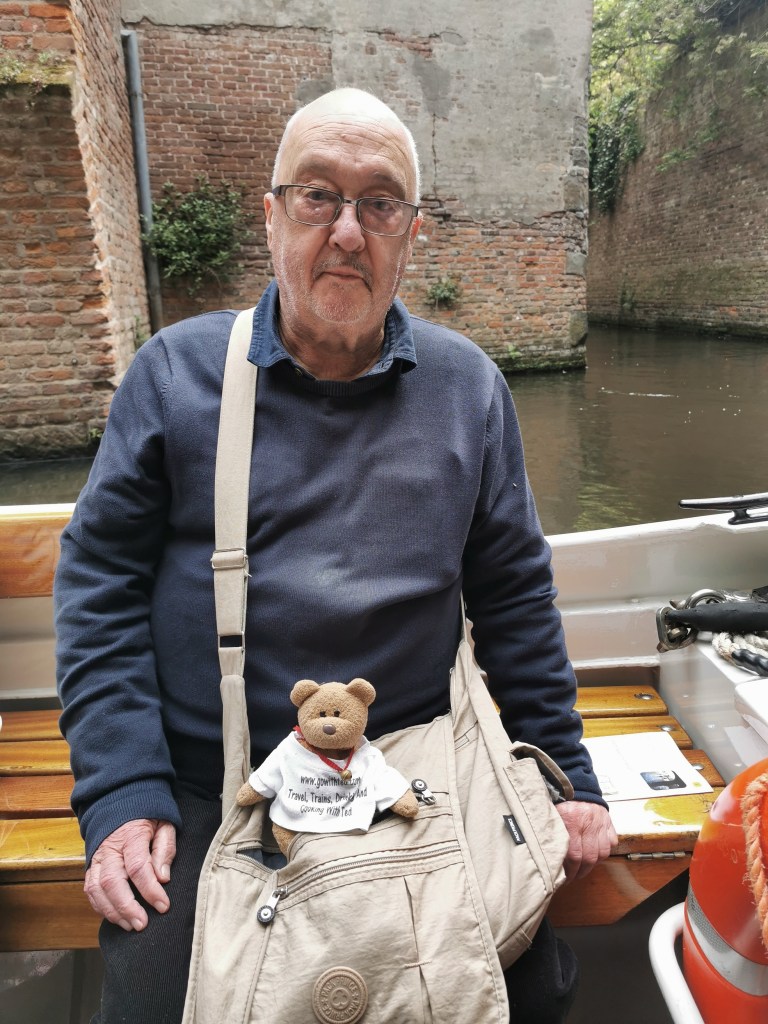
Photographs: all photos are by Steve Gillon, The one of me and Ted below was taken by Dave Webster
Copyright: The text and photographs are copyright ©, Steve Gillon, 2026.